Do Varicose Veins Hurt? Symptoms, Pain Patterns, and When to Seek Treatment
Do varicose veins hurt? Yes, but not always. Some people feel pain, while others only see the veins without any discomfort.
When present, the pain is usually dull, heavy, aching, or makes a burning sensation in the legs.
It is often linked to increased pressure in the veins and tends to worsen after long periods of standing or sitting, while improving with rest or leg elevation.
What are Varicose Veins in the Legs?
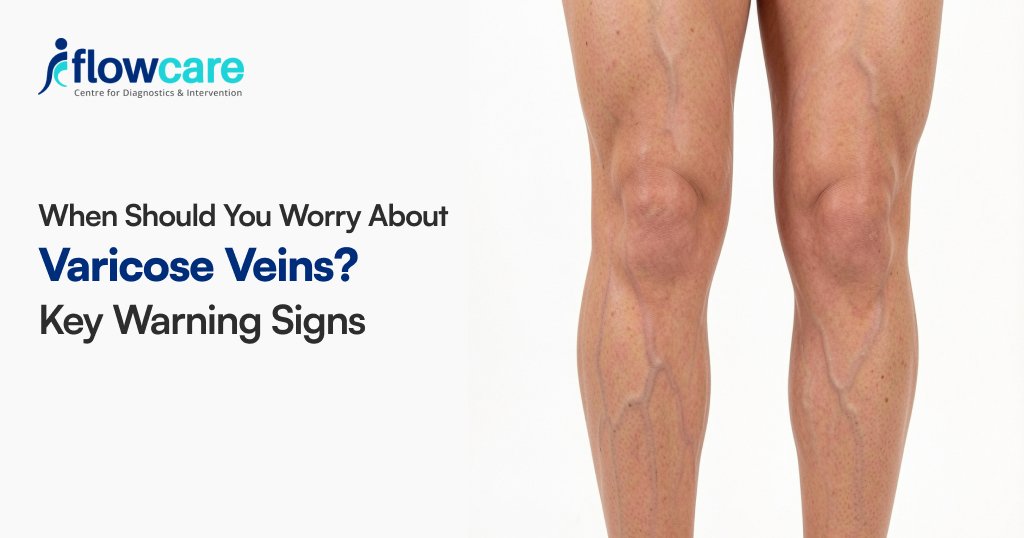
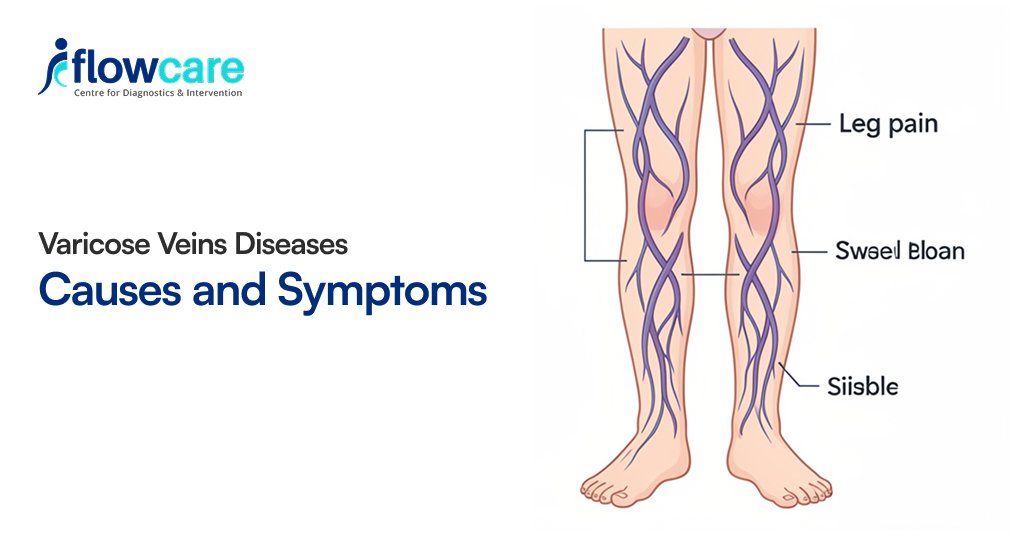
Varicose veins are swollen, twisted veins that appear just under the skin, usually in the legs.
They happen when blood does not flow properly and starts to collect inside the veins. They are most common in the legs.
Source: ncbi(1)
What Causes Varicose Veins?
- Age-related weakening of vein walls
- Family history (genetic predisposition)
- Female hormones and multiple pregnancies
- Prolonged standing or sedentary lifestyle
- Increased body weight
- History of blood clots (DVT)
Visit FlowCare today to understand the underlying cause and get the right treatment for long-term relief.
What Does Varicose Vein Pain Feel Like?
Varicose vein pain is usually not sharp and is often like
| Symptom | Pain Pattern | Common Triggers | Relief Tips |
| Aching / Heavy Legs | Dull, constant discomfort | Prolonged standing/sitting | Leg elevation (15–20 min) |
| Throbbing / Burning | Pulsating or warm sensation | Heat, prolonged standing | Cool compress |
| Night Cramps | Sudden, sharp pain | Dehydration, fatigue | Stretching before sleep |
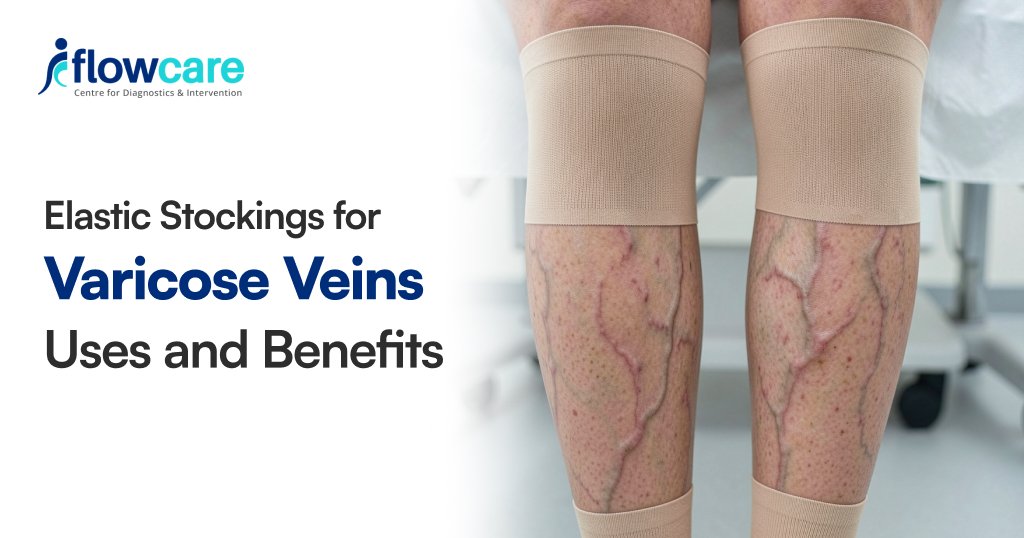
| Itching / Swelling | Skin irritation or tightness | Heat, fluid retention | Compression stockings |
Source: nhs(2)
Some people may also notice itching or discomfort around the affected veins.
Why Do Varicose Veins Hurt?
Inside veins, there are small valves that help blood move upward.
When these valves stop working properly:
- blood flows backward
- pressure increases
- veins stretch
This causes pain, heaviness, and swelling
What are Early Stage Varicose Veins Symptoms?
Early-stage varicose veins are often mild and may often present as the following:
- Mild aching or heaviness in the legs
- Slight swelling, especially by the end of the day
- Itching or skin irritation around veins
- Visible small veins or spider veins
- Leg fatigue after prolonged standing
When Do Varicose Veins Hurt the Most?
Varicose veins worsen when pressure in the veins increases, especially during certain daily activities.
Common triggers include:
- Prolonged standing or sitting: Blood pools in the legs, increasing pressure
- End of the day: Symptoms build up after hours of activity
- Hot weather: Heat causes veins to dilate, worsening discomfort
- Physical inactivity: Lack of movement slows blood circulation
Can Varicose Veins Be Painless?
Yes, varicose veins can be painless, especially during early stages. Many people see visible veins without any symptoms.
These are often considered cosmetic concerns to avoid further discomfort. While painless, they still indicate underlying vein problems.
When Should You See a Doctor?
You should see a doctor when:
- Veins start bleeding
- Affects your daily lifestyle
- Symptoms affect daily life
- Swelling does not improve
- Pain is persistent or worsening
- Does not improve with self-care like leg elevation
- Causes ulcers or sores that do not heal within a week
- Causes skin discoloration (redness, bluish, or brown spots) or texture changes near the veins
How Are Painful Varicose Veins Treated?
Treatment depends on the severity of symptoms and underlying vein condition.
Minimally Invasive Procedures
Endovenous Ablation (Laser or Radiofrequency)
This is a minimally invasive procedure used to close the affected vein. A thin tube is inserted into the vein, and heat (laser or radiofrequency) is used to seal the vein.
It is usually done under local anesthesia, so you remain comfortable during the procedure. Mild bruising or discomfort can occur afterward, but serious complications are rare.
You can go back to your daily activities after a day or two under a doctor’s guidance.
Sclerotherapy
In this procedure, a special solution is injected into the vein to make it collapse, and gradually it fades away in over 3 to 6 weeks.
This procedure can eliminate complications like ulcer formation or vein bleeding. It is commonly used for smaller varicose veins and spider veins.
Some people may experience temporary swelling, discoloration, or mild pain after treatment.
Phlebectomy
This procedure is used to remove smaller veins close to the skin through tiny cuts. It is often combined with other treatments and minimal scaring, with a relatively quick recovery.
Surgery of Varicose Veins
It is carried out in severe cases where there are larger veins that may need to be tied off and removed through surgery.
This is usually done when other minimally invasive treatments are not suitable.
Recovery may take longer, and mild pain or bruising can occur, but serious complications are uncommon.
Treatment for varicose veins depends on the severity of the condition. Mild cases can be managed by a conservative approach.
At FlowCare, a detailed vein assessment is done before recommending treatment, ensuring the most suitable option is chosen for effective and long-term relief.
Source: webmd(3)
What Are at Home Treatments for Varicose Vein Pain?
| Approach | How It Helps | Precautions |
| Compression Stockings | Improve blood flow and reduce pressure | Use correct size and wear regularly |
| Leg Elevation | Reduces swelling and discomfort | Elevate legs above heart level |
| Regular Movement (Walking) | Improves circulation and prevents pooling | Avoid long periods of inactivity |
| Avoid Prolonged Standing/Sitting | Prevents blood pooling in legs | Take breaks every 30–60 minutes |
| Daily Exercise | Strengthens leg muscles and circulation | Choose low-impact activities |
| Maintain Healthy Weight | Reduces pressure on veins | Avoid crash dieting |
The conservative measures can help reduce discomfort and prevent symptoms from worsening.
Do All Varicose Veins Need Treatment?
Not all varicose veins need treatment. Some cases can be managed simply with lifestyle changes, but persistent or severe cases may require medical treatment.
Source: nhs(4)
What Happens If Varicose Veins Are Left Untreated?
Key complications of untreated varicose veins are as follows:
- Circulation Problems
- Chronic Venous Insufficiency (CVI): Prevents blood from flowing back to the heart, leading to pooling of blood and persistent swelling and aching in the legs.
- Skin Changes
- Skin discoloration (hyperpigmentation)
- Dry, itchy, or thin skin
- Non-healing ulcers: Poor circulation leads to slow-healing wounds, usually near the ankles that take longer to heal.
Source: hopkinsmedicine(5)
- Blood Clots
- Superficial thrombophlebitis: Painful clots in surface veins causing redness and swelling affecting daily activities.
- Deep Vein Thrombosis (DVT): Clots in deeper veins that may lead to serious complications like breathing issues that can be dangerous.
- Bleeding
- Varicose veins can rupture easily and bleed due to increased pressure
- Nerve-Related Symptoms
- Restless Leg Syndrome (RLS): Tingling, crawling sensation, especially at night.
Conclusion
Varicose veins can cause discomfort, but the severity and pattern of pain can vary from person to person.
While some may experience only mild symptoms, others may notice worsening pain, swelling, or skin changes over time.
Understanding when varicose veins hurt and when they don’t can help you recognize early signs and take timely action before the condition progresses.
If you are experiencing symptoms or noticing changes in your veins, a proper evaluation can help identify the underlying cause and guide the right treatment approach.
Visit Flowcare today to understand the underlying cause and get the right treatment for long-term relief.
FAQs
Do varicose veins disappear on their own?
No, they do not disappear on their own. Symptoms may improve temporarily, but the underlying condition remains the same.
Do varicose veins increase the risk of DVT?
Varicose veins may slightly increase the risk of deep vein thrombosis (DVT) due to slower blood circulation.
However, the overall risk remains low for most people unless other factors like immobility, obesity, or previous clots are present.
What to do when there’s varicose vein pain?
Varicose pain can often be managed with simple measures like elevating your legs, walking regularly, and wearing compression stockings to improve blood flow.
Avoid prolonged sitting or standing; try taking breaks throughout the day.
If the pain does not go away, worsens, or leads to swelling or skin discoloration, consult your doctor immediately for proper evaluation and treatment.
Is it safe to massage varicose veins?
It is not recommended to massage varicose veins directly.
Applying pressure on the affected veins can irritate them and in some cases increase the risk of complications, especially if there’s an underlying clot.
What is the best treatment for varicose veins?
The best treatments for varicose veins are minimally invasive procedures like endovenous laser ablation (EVLA/EVLT) and radiofrequency ablation (RFA) for fast and effective recovery.
Is Varicose Vein Pain Serious?
Most of the time, varicose vein pain is not serious and can be managed with simple steps like rest, leg elevation, and movement.
However, it can become serious in some cases. You should see a doctor if you notice:
- sudden swelling in one leg
- severe or worsening pain
- skin turning dark, hard, or itchy
- wounds or ulcers that do not heal
- bleeding from the veins
These signs may indicate a more serious problem and need medical attention.