Lower Abdominal Pain: Causes, Symptoms, and Treatment
Pain in the lower abdomen is a common and multifaceted symptom that affects individuals of all ages, regardless of gender.
It can be mild and self-limiting and have a digestive aetiology, or it can be a sign of serious underlying conditions that require immediate medical care.
Mostly females are prone to lower abdominal pain, which we will discuss further in this article.
What Is Lower Abdominal Pain?
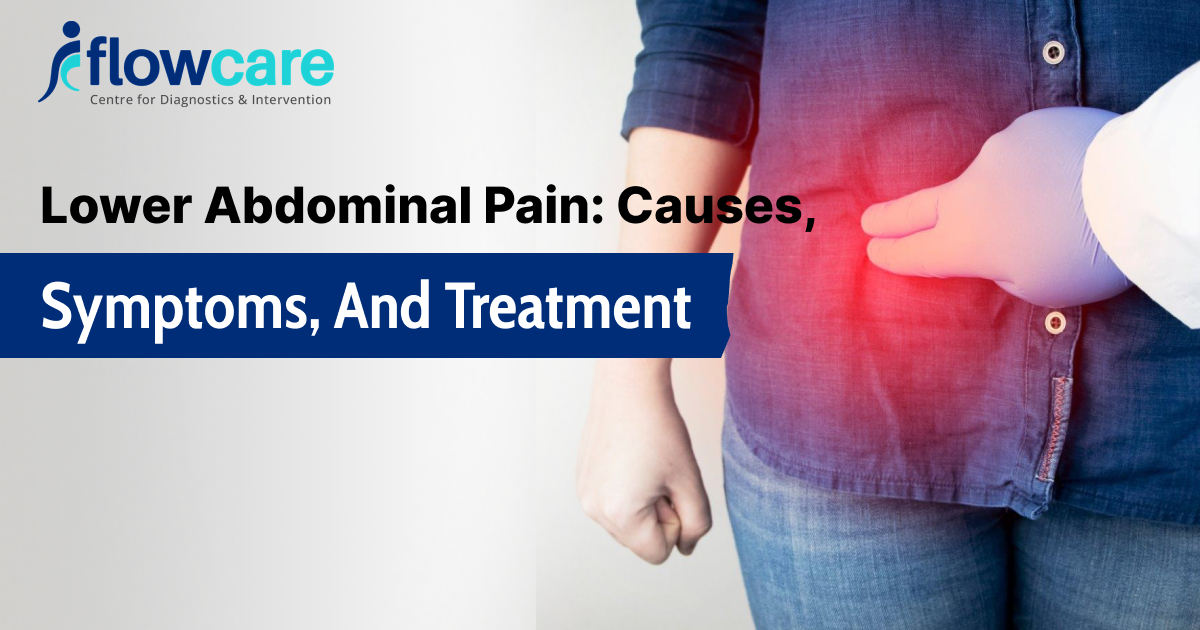
Lower abdominal pain refers to pain in the area above the pelvic bone.
The pain can vary: some people complain of sharp and stabbing pain, while others experience dull and cramping pain.
It can be acute (with a sudden, severe, and temporary onset), chronic (lasting for months or years), or intermittent.
Source: ada(1)
What are the Causes of Lower Abdominal Pain?
Several factors contribute to lower abdominal pain. Let’s understand those below.
Gastrointestinal Causes
- Constipation: When the bowels are hard or the number of bowel movements is minimal, cramping or painful symptoms are experienced.
- Irritable Bowel Syndrome (IBS): It is an abdominal complication that is marked by bloating, cramps, and unpredictable bowel movements.
- Gastroenteritis: This is the inflammation of the gastrointestinal tract caused by an infection, resulting in pain, nausea, and diarrhoea.
- Appendicitis: Typically starts around the navel, then gradually moves to the lower right abdominal area and spreads rapidly (2).
- Colitis: Colon inflammation is also often accompanied by cramping.
- Intestinal obstruction: Characterised by intense pain, bloating, and failure to pass stool.
Urinary Causes
- UTI manifests itself by burning pain, increased frequency of urination and sometimes blood in urine.
- Bladder or kidney stones cause sharp and severe pain, which often spreads to the groin or back.
- Cystitis is inflammation of the bladder wall, which might cause constant pressure and pain.
Gynaecological Causes (Women)
- Menstrual cramps (dysmenorrhea): Pain occurring in sync with periods, varying in intensity.
- Cyst Rupture: Sudden pain due to cyst rupture may be associated with hormonal symptoms and is caused by ovarian cysts and polycystic ovary syndrome (PCOS).
- Endometriosis: This leads to chronic pain because of endometrial-like tissue that is outside the uterus.
- Uterine Fibroids: Abdominal pain due to uterine fibroids can be dull and persistent pressure or heaviness in the lower abdomen, and sharp and stabbing pain.
The size and weight of the fibroids typically cause this pain as they may press against nearby organs, such as the bladder and rectum, which can lead to discomfort, frequent urination, and constipation.
- Pelvic inflammatory disease (PID): It is an infection of the reproductive organs with the resultant fever, discharge and pain.
- Ectopic pregnancy: This is characterised by extreme, acute pain and blood loss, which requires emergency treatment.
Male‑Specific Causes
- Prostatitis: Pain in the lower abdomen and back, urinary symptoms.
- Testicular disorders: Sometimes present as lower abdominal pain due to nerve pathways.
- Varicocele: A varicocele may cause a sensation of heaviness or dull aching in the lower abdomen, which can increase with activity and improve with rest.
Other Causes
- Muscle strain: Overuse or injury of abdominal muscles leads to localised pain and tenderness.
- Food intolerances: Lactose or gluten intolerance triggers cramps and bloating.
- Hernia: A Lump in the abdominal area may cause pain, especially while coughing or lifting.
- Post-surgical complications: Adhesions or infections after abdominal surgery.
While occasional discomfort may not be serious, certain warning signs should never be ignored.
Symptoms to Monitor
General Symptoms
- Pain characteristics: intensity, duration, type
- Associated symptoms (bloating, fever, nausea, diarrhoea, urinary issues)
Warning Signs of Serious Conditions
- Sudden severe pain
- Persistent vomiting
- Blood in urine or stool
- High fever
- Unexplained weight loss
Diagnosing Lower Abdominal Pain
- Clinical Evaluation
- History and physical exam: The Doctor assesses pain pattern, medical history, and accompanying symptoms.
- Laboratory tests: Blood and urine analysis to detect infection, inflammation, or anaemia.
- Imaging
- Ultrasonography: First-line tool for most cases, including appendicitis, diverticulitis, gynaecological and urinary causes.
- CT scan/MRI: Used if ultrasound is inconclusive or for complex cases.
- Specialised tests: Colonoscopy or endoscopy if GI pathology is suspected; pelvic examinations for women.
Differential Diagnosis
Clinicians consider digestive, urinary, reproductive, and vascular issues, prioritising life-threatening conditions like appendicitis, bowel obstruction, ectopic pregnancy, and kidney stones.
Treatment Options for the Lower Abdominal Pain
The treatment options are condition-specific. The following are some of the most common treatment options:
Home Care & Lifestyle: for mild abdominal pain.
- Hydration & diet: Drinking plenty of fluids and eating fibre-rich foods helps relieve constipation and mild pain.
- Heat therapy: Applying a warm compress may reduce cramping.
- Rest: Avoid strenuous activities during episodes of pain.
Surgical Intervention
- Appendectomy: For appendicitis.
- Laparoscopy: Removal of ovarian cysts or treatment of endometriosis.
- Hernia repair: For persistent or complicated hernias.
- Other procedures: For bowel obstruction or ectopic pregnancy.
- Embolization: For varicocele and uterine fibroids
Prevention Strategies
- Balanced diet: Adequate fibre, avoiding processed foods.
- Regular exercise helps maintain digestive and urinary health, while also strengthening the abdominal muscles.
- Hydration: Prevents constipation and reduces the risk of UTIs.
- Safe sexual practices: Reduce risk of PID and STDs.
- Menstrual hygiene: Reduces the risk of infection for women.
Contact a qualified specialist if you experience any symptoms mentioned in the above sections, for timely diagnosis and care.
Lower Abdominal Pain in Special Groups
Children & Adolescents
Constipation, gastroenteritis, and appendicitis are frequent causes.
Pregnant Women
May suffer round ligament pain, but serious issues like ectopic pregnancy or miscarriage must be excluded urgently.
The Elderly
More likely to experience diverticulitis, cancers, and chronic constipation.
When to Seek Medical Help
It may require immediate attention if lower abdominal pain is:
Sudden and acute, accompanied by fever, constant vomiting, and blood in the stool or urine.
It can also be related to fainting, inability to pass urine or stool.
A late diagnosis or treatment is likely to complicate the outcome, especially in a case of appendicitis, ectopic pregnancy, or bowel obstruction.
Conclusion
Abdominal pain in the lower part of the abdomen is a complicated symptom with various causes, which may include a simple digestive discomfort to emergency conditions where immediate medical care is needed.
It is essential to consider early recognition, proper diagnosis, and prompt treatment to ensure the best possible recovery and prevent complications.
Never ignore constant, intense or unusual abdominal pain and always seek medical consultation with a trained medical practitioner and adhere to healthy living habits to minimise the likelihood of recurrence.
FAQs: Lower Abdominal Pain
What is the most common reason for lower abdomen pain?
The most common reason for lower abdomen pain can be related to digestive problems such as gas, indigestion, constipation, or diarrhoea.
How do I know if the abdominal pain is due to a serious condition?
Seek emergency care if:
- There is constant pain beyond 2-48 hours
- If the lower abdominal pain is accompanied by blood in the stools
- If there is blood in the urine
- Swollen lower abdomen
Does pain in the lower abdomen indicate pregnancy?
Yes, but not always. Lower abdominal pain is not the only symptom of pregnancy. If doubtful, a qualified doctor should be consulted.
How to treat lower abdominal pain?
In cases involving the lower abdomen, one can use heating pads, prescription medications, a bland diet, or IV fluids.
In case of severe cases, when it is even difficult to sit, the patient should be taken to the hospital immediately.