Varicocele Surgery Nutrition Guide: Essential Pre & Post-Operative Diet Tips
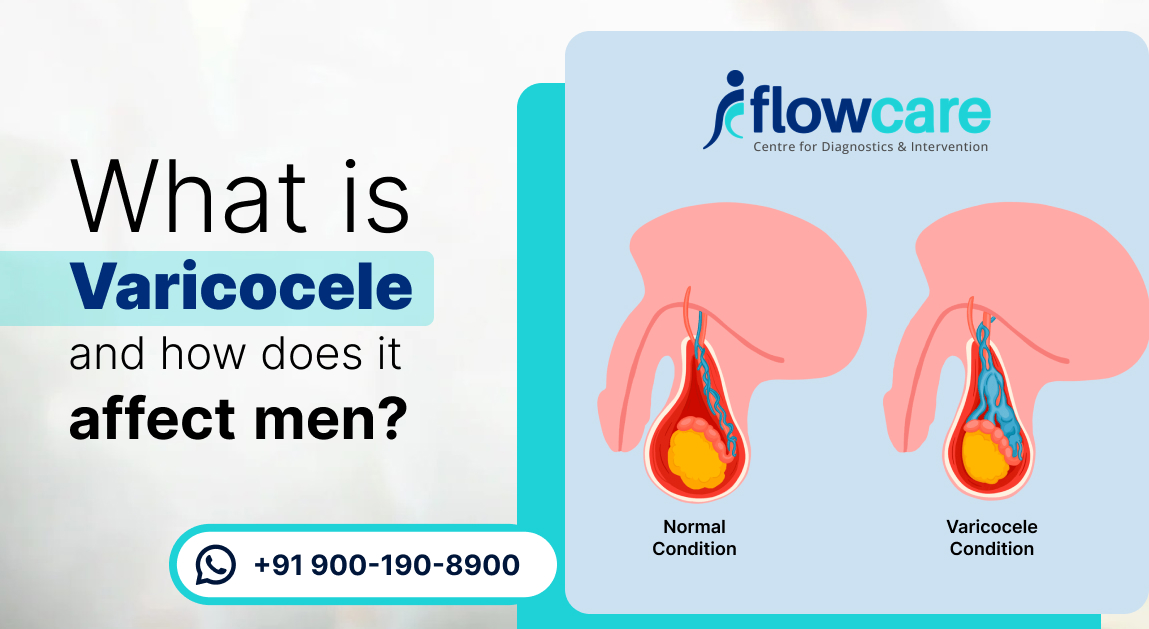
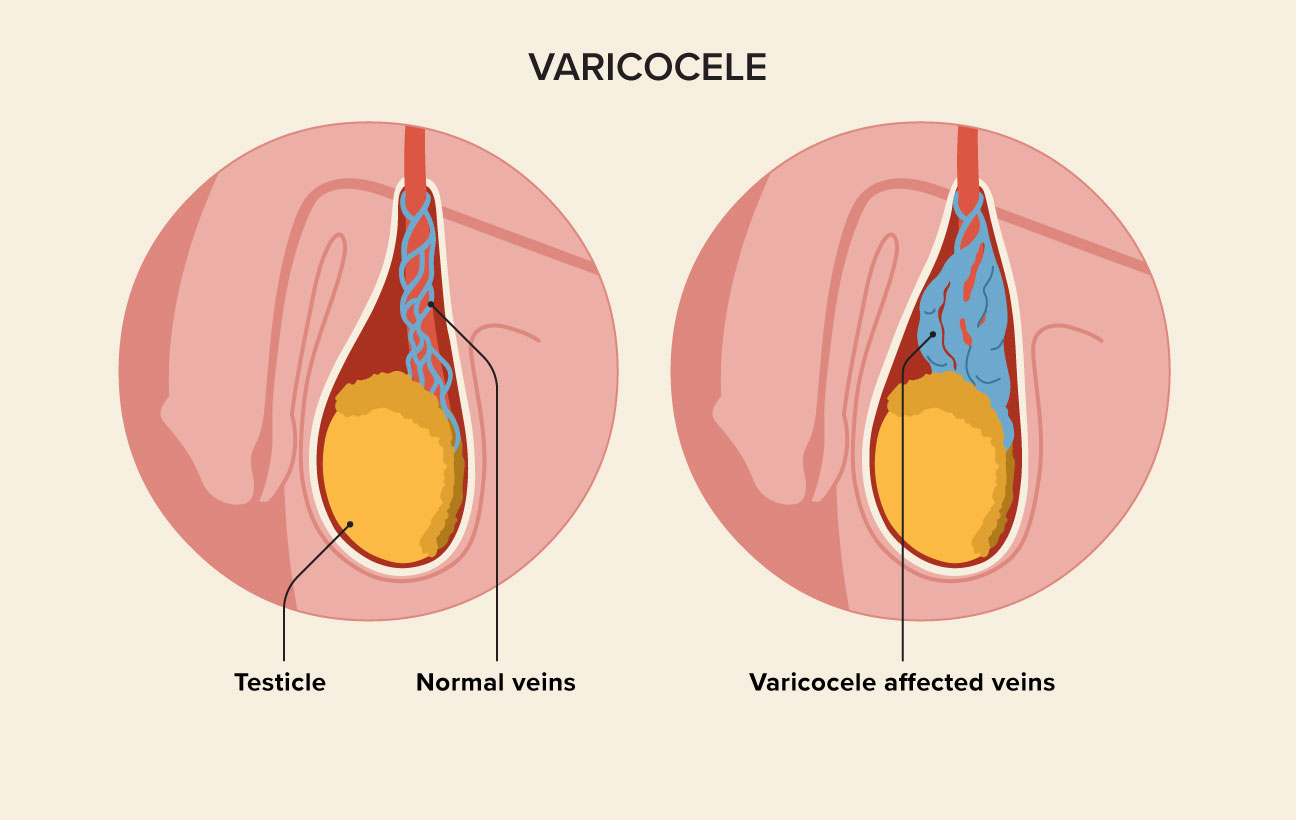
The fast-paced lifestyle and changing eating habits have led to a rise in various health issues, one of which is Varicocele. This condition, common among men, is linked to infertility due to poor blood flow in the scrotal veins. While there are several treatment options available, many men may require Varicocele surgery to effectively resolve the problem and improve their overall reproductive health.
Undergoing Varicocele surgery can significantly enhance your well-being, but it is important to remember that surgery is a major procedure that demands proper care both before and after the operation. Your diet plays a crucial role in how your body responds to the treatment, supports healing, and prevents complications. Whether you are preparing for surgery or are in the recovery phase, following the right dietary practices can make a noticeable difference. Below are some simple yet effective pre- and post-operative nutrition guidelines to help you recover smoothly.
Pre-Operative Nutrition
To recover fast, having some food is highly recommended before surgery. We have curated a list of essential nutrients that a man should have before varicocele surgery.
Keep Yourself Hydrate
Staying hydrated is essential before any surgery. Water helps your body function properly and can assist remove toxins. Aim for at least 8 to 10 glasses of water every day. Avoid coffee and alcohol for a few days before surgery, as these may dehydrate you.
Strengthen Your Immune System
A strong immune system reduces the risk of infection before and after surgery. Include meals high in vitamins and minerals. To achieve this, you must focus on:
Vitamin C: Citrus fruits, strawberries, and bell peppers all contain vitamin C, which boosts immunity and promotes healing.
Zinc: Nuts, seeds, and whole grains contain zinc, which is beneficial to the immune system.
Eat Protein-Rich Foods
On the list of nutrition a person should include his list to get the most benefits from surgery is protein. Proteins form the basis of your body and are required for tissue repair. Consume lean meat, fish, eggs, beans, and legumes. Protein accelerates recovery and retains muscle mass.
Use Antioxidant-Rich Foods
Antioxidants protect your cells from damage. Fruits and vegetables high in antioxidants include berries, spinach, kale, and carrots. These meals help reduce inflammation, which is beneficial before surgery.
Maintain a Balanced Diet
For better results, you should try to get a balanced diet before surgery instead of cutting carbohydrates and essential nutrients. Eat a variety of foods to get a wide range of nutrients.
Carbohydrates are an energy source, lipids help cells operate, and fibre improves digestive health. Also, whole grains, fruits and vegetables, and healthy fats like avocados, almonds, and olive oil should all be included in your meals.
Post-Operative Nutrition
A surgery could leave a traumatic experience on your body. It will require you to change your dietary habits from scratch. For the initial days, you should try to include fluids and lighter foods in your diet. Apart from this, you could focus on elements like protein, fibre and minerals.
Maintain Your Hydration Level
Staying hydrated after surgery is crucial to your body’s healing and recovery. Water helps to remove the side effects of medicines used during the treatment. Drink plenty of water, and if you want something unique, try herbal teas or broth.
Protein for Healing
Protein is a mandatory element to include in your routine diet following surgery. The body needs more protein to repair tissues and recover after varicocele surgery. Continue eating lean meats, fish, eggs, and plant-based proteins like beans and lentils. If you want to enjoy a small intake of protein to keep your digestive system in check then you can also include protein-enriched drink.
Fiber-Rich Foods
After surgery, anaesthesia and painkillers can impair digestion and create constipation. But eating high-fibre meals can make things flow more smoothly. Fibre-rich foods include whole grains, fruits, vegetables, and legumes.
Anti-inflammatory Foods
Consuming omega-3 fatty acid-rich foods such as salmon, chia seeds, and walnuts can help decrease inflammation and promote healing. Turmeric and ginger have anti-inflammatory properties and may be added to your meals.
Vitamins and Minerals
Ensure a regular intake of vitamins and minerals to help you recover. Vitamin C and zinc continue to be essential for wound healing and immune system function. Calcium and vitamin D are also required, particularly if you have restricted mobility throughout your recovery. Dairy, leafy greens, and fortified meals can help you meet these requirements.
Avoid Processed Foods
Apart from having a balanced diet, you should avoid a high intake of processed foods. They are high in unhealthy fats, sugars, and salt. These foods can cause inflammation, hence slowing the healing process. Instead, consume fresh, nutritious meals whenever possible.
Additional Tips
Small, Frequent Meals
If you have trouble eating large meals after surgery, consider eating smaller, more regular meals throughout the day. This helps you to get the nutrients you need without being overwhelmed.
Consult Your Doctor
Before making any significant dietary changes, especially before surgery, consult your doctor or a dietitian. They can give tailored advice based on your specific health needs.
Following these meal guidelines can help you have a more successful surgery and recover quickly. Remember that a healthy diet may help your body heal naturally.
Conclusion
Along with a proper diet, having an experienced healthcare professional is essential for a successful Varicocele surgery. If you are dealing with this condition and seeking a trusted, qualified doctor for expert guidance, Flowcare is your ideal destination. At Flowcare, you can receive valuable advice from Dr. Rajendra Bansal and access comprehensive facilities—all conveniently available under one roof.