Burning Sensation in Legs? Signs of Peripheral Arterial Disease
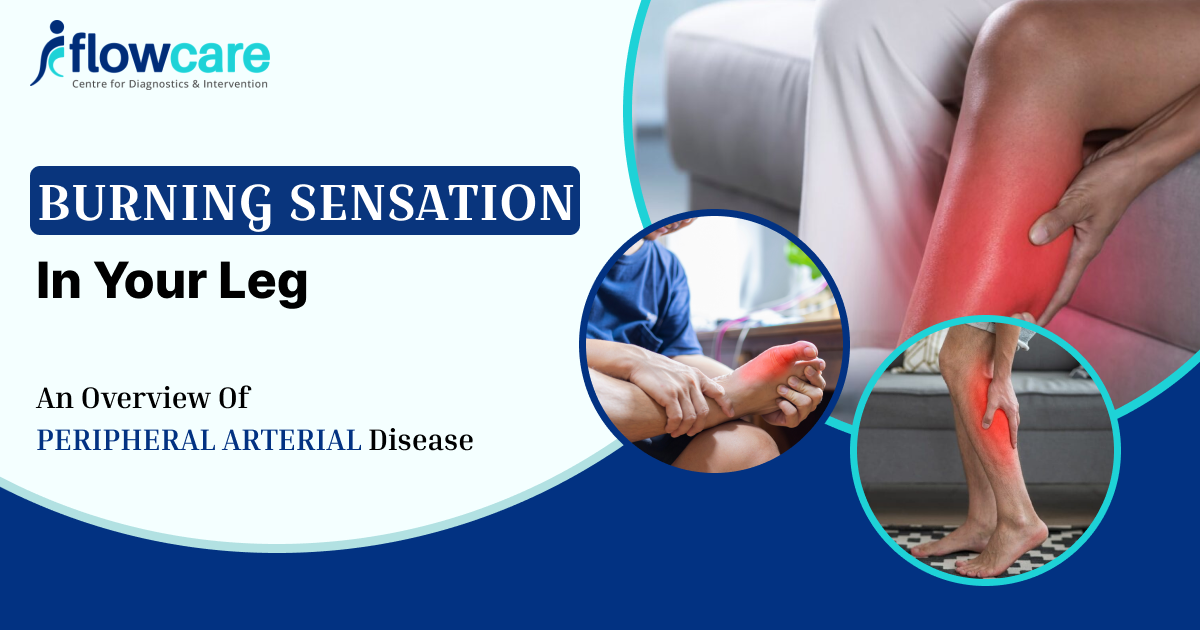
Many people feel a burning sensation in the leg below the knee. This symptom can be uncomfortable and worrying. In some cases, it may be linked to Peripheral Arterial Disease (PAD).
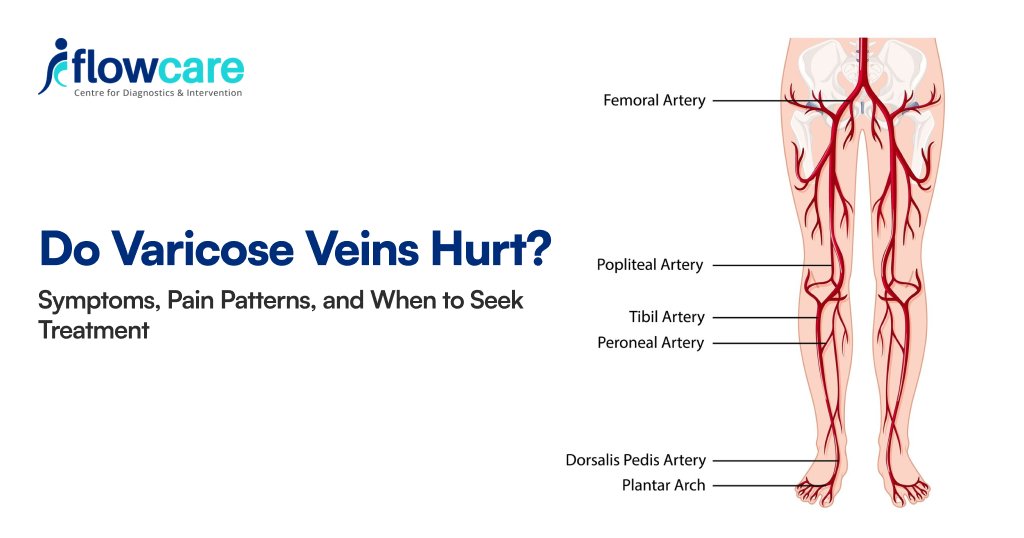
PAD is a condition that affects the blood vessels that carry blood to the legs and feet. In this condition, the arteries become narrow or blocked. This reduces blood flow to the lower limbs. As a result, people may feel burning, pain, or discomfort in the legs.
In this blog, we will explain Peripheral Arterial Disease (PAD) and its connection to burning sensations in the legs. We will also discuss its risk factors, symptoms, diagnosis, and treatment options.
What is Peripheral Arterial Disease (PAD)?
Peripheral Arterial Disease is a common problem where narrowed arteries reduce blood flow to the limbs. The arteries can get narrowed due to fatty substances building up in them. This reduction in blood flow causes multiple symptoms like pain, cramping, and a burning sensation in the legs, especially below the knee.
What Causes a Burning Sensation in Your Legs?
The condition of burning sensation below the knee is quite alarming. This burning sensation could occur with a painful, tingling, or warm feeling and can be accompanied by numbness or weakness. In this condition, the muscles don’t receive enough oxygen-rich blood, which makes them ischemic and causes discomfort and a burning feeling.
Top Risk Factors for Peripheral Arterial Disease (PAD) You Should Know
To treat and prevent PAD, it is important to understand its risk factors. Multiple factors can increase the probability of developing PAD such as age, specific diseases, genetics etc.
- Age: Individuals over 50 are more vulnerable to getting PAD.
- Smoking: Tobacco and smoking fasten the process of atherosclerosis, making it harder for blood to flow through your arteries.
- Diabetes: High blood sugar levels can damage the arteries which could increase the chance of PAD
- High Blood Pressure: High blood pressure can harm blood vessels raising the risk of PAD.
- High Cholesterol: High levels of bad cholesterol can lead to the formation of fatty substances in the arteries.
- Obesity: Excess body weight can contribute to high blood pressure and diabetes, both of which are risk factors for PAD.
- Family History: A family history of cardiovascular disease or PAD can increase your risk.
Common Symptoms of Peripheral Arterial Disease (PAD)
Beyond the burning sensation in the leg, PAD presents with a range of symptoms that may vary in intensity:

- Claudication: Pain, cramping, or discomfort in the legs or calves are major symptoms of the PAD which increase during physical activities like walking or climbing stairs.
- Rest Pain: An individual can feel numbness or sensation in the legs or feet while resting.
- Cold Feet: There is a noticeable difference in temperature between the legs, with one leg feeling colder than the other.
How Peripheral Arterial Disease (PAD) Is Diagnosed
The symptoms of PAD are sensation below the knee and achiness, fatigue, or distress in the feet, muscles, calves, or thighs. These symptoms appear more during walking and exercise. If you feel any such symptoms, it is quite essential to seek medical attention. The diagnosis process includes a combination of physical exams and diagnostic tests:
- Ankle-Brachial Index (ABI): This is a simple, non-invasive test in which medical professionals compare your ankle’s blood pressure with your arm’s blood pressure. A lower ankle pressure indicates reduced blood flow, suggesting PAD.
- Doppler Ultrasound: This imaging test uses sound waves to visualise blood flow and detect artery blockages.
- Angiography: In more severe cases, a contrast dye may be injected into the bloodstream, followed by X-rays to visualise the blood vessels and identify any obstructions.
Peripheral Arterial Disease (PAD) Treatment and Management Options
Effective management and the right treatment are essential for treating PAD symptoms. Treatment strategies generally include lifestyle modification, medication, and, in some cases, surgical interventions:
Lifestyle Changes to Manage Peripheral Arterial Disease (PAD)
Small lifestyle modifications can bring significant changes to PAD. To modify your life, you can include quitting smoking, exercising, a balanced diet and managing weight.
- Quit Smoking: This guideline is for individuals who smoke. Quitting smoking is one of the most essential steps you can take to slow the progression of PAD.
- Exercise: Engaging in mild exercise or walking with balanced and proper rest is essential for a healthy lifestyle.
- Healthy Diet: A diet which is low in saturated fats, cholesterol, and sodium is considered helpful in managing cholesterol levels and blood pressure.
- Weight Management: Keeping a healthy weight can reduce the burden on your cardiovascular system.
Medications Used to Treat Peripheral Arterial Disease (PAD)
Medication is useful to treat the disorder of PAD which majorly includes medicines for symptoms.
- Antiplatelet Agents: This includes medications like aspirin or clopidogrel to help prevent blood clots.
- Statins: These drugs are used to lower cholesterol levels and stabilize arterial plaque.
- Medication for Blood Pressure and Diabetes: Managing these conditions with appropriate medications is crucial for overall cardiovascular health.
Surgical and Interventional Treatments for Peripheral Arterial Disease
In severe cases or where medical management fails surgery or endovascular interventions are options.
- Angioplasty and Stenting: A balloon is used to open up blocked arteries, and a stent may be placed to keep the artery open.
- Bypass Surgery: In severe cases, surgery may be required to create a new pathway for blood to flow around the blocked artery.
Conclusion
A burning sensation in the leg below the knee may seem like a minor issue, but it can sometimes be a sign of Peripheral Arterial Disease (PAD). Understanding the symptoms and knowing the risk factors can help in early diagnosis and timely treatment. If you notice persistent burning, pain, or discomfort in your legs, it is important to consult a healthcare professional to identify the exact cause and start proper treatment. With the right medical care and healthy lifestyle changes, PAD can be managed effectively and your quality of life can improve.
If you are also experiencing burning or unusual sensations below the knee, Flowcare can help. At Flowcare, patients receive personalized consultation and advanced treatment under Dr. Rajendra Bansal, who has more than 11 years of experience and has successfully treated 5000+ cases with effective results.