Most people think varicose veins are just cosmetic concerns until their legs start feeling heavy, itchy, and uncomfortable by the end of the day.
What many people don’t realize is that these early symptoms can gradually turn into pain. So, can varicose veins be painful? Yes, find out why in detail below.
What Are Varicose Veins?
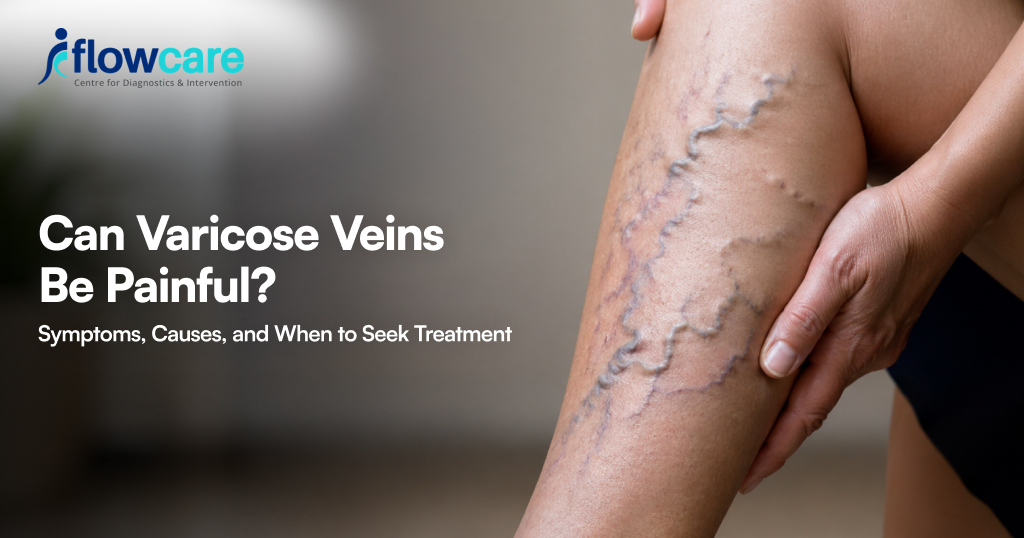
Varicose veins are enlarged, twisted veins that appear just under the skin, most commonly in the legs.
They develop when the vein valves weaken, causing blood to pool in the legs instead of flowing back to the heart properly, a condition known as venous reflux.
This increased pressure in the veins is what makes your legs feel heavy, achy, and in some cases, persistently painful.
Do Varicose Veins Hurt?
Yes, varicose veins can cause heaviness, aching, or burning in the legs, especially after long periods of standing.
What are the Risk Factors of Varicose Veins?
The following factors increase the chances of varicose veins in an individual:
- Age
- Hormonal changes
- Genetic factors
- Poor lifestyle choices
- Tobacco use
- Excessive weight
Source: my.clevelandclinic(1)
What Does Varicose Vein Pain Feel Like?
The pain of varicose veins is not typically sharp. It is usually defined as a heavy or sore feeling that increases after long periods of inactivity.
9 Common Early-Stage Varicose Veins Pain Symptoms
Here are common symptoms:
- Spider Veins: These are often early signs of more severe varicose veins. They can look red or blue and are usually ignored as just a cosmetic issue, but they may be a sign that your veins are not working properly.
- Tired Legs: Your legs may feel heavy or sore, especially after standing or sitting for long hours.
- Swelling in the Ankles or Legs: You might notice puffiness around your ankles by the end of the day.
- Burning Sensation in Legs: There may be irritation or a warm, itchy feeling around the veins.
- Muscle Cramps at Night: You may experience sudden cramps, especially while sleeping.
How to Tell If Varicose Vein Pain Is Serious?
Here are a few signs to know if the condition is progressing:
- Skin discoloration: The skin surrounding the veins can begin to appear darker, normally brown, or purplish.
- Changes in the skin texture: The affected skin can either be dry, thin, or a little bit hard.
- Slow healing wounds: Cuts around the ankles or on legs may take longer than normal to heal.
- Bulging veins: Veins can be bulged and twisted and can be seen clearly beneath the skin.
Source: my.clevelandclinic(2)
These symptoms occur due to blood pooling in the legs, which increases pressure and affects surrounding tissues.
Reduced blood flow can also impact oxygen supply to the skin, leading to inflammation, slower healing, and itchy varicose veins
When to See a Doctor for Varicose Veins?
Even though mild discomfort is common, some of the symptoms can signal that the condition is getting worse or requires treatment.
Varicose Vein Symptoms That Need Immediate Medical Attention
- Constant or increasing pain in legs
- Leg swelling and pain that does not get better
- Discoloration or thickening of the skin around the veins
- Open sores or ulcers, particularly around the ankles that take longer to heal
- Varicose veins bleeding
Early varicose vein assessment can stop the advancement and inform the appropriate treatment.
At Flowcare Clinic, the vein assessment is done in detail to determine the severity of the condition and plan customized treatment.
When Does Varicose Vein Pain Get Worse?
Varicose vein pain does not stay constant. Instead, it follows a pattern and tends to worsen when blood flow in the legs reduces or pressure inside the veins increases.
The most common situations where this happens are during the following:
After Long Periods of Inactivity
When you remain in one position for a long period of time, either sitting or standing.
The muscles in your legs are not actively helping blood return to the heart.
This leads to increased pressure and discomfort.
Why Do Varicose Veins Hurt at Night?
Varicose veins hurt at night due to strain on the legs building up throughout the day.
This is why many people notice that their legs feel more tired, heavy, or uncomfortable in the evening compared to the morning.
Why Do Varicose Veins Hurt More in Hot Weather?
Heat causes veins to relax and expand, which can worsen blood pooling. This makes symptoms feel more intense, especially during hot weather or after long exposure to heat.
How Do Hormonal Changes Worsen Varicose Veins?
Hormonal changes can affect the strength and flexibility of your veins, making varicose veins more likely to develop or worsen over time.
These hormonal changes occur through pregnancy, birth control pills, and menopause, making existing vein issues more noticeable.
Can Tight Clothing Make Varicose Veins Worse?
Yes, tight clothing can make varicose veins worse by affecting blood flow. While it doesn’t directly cause them, it can increase pressure in the veins and worsen symptoms.
How tight clothing affects varicose veins:
- Restricted circulation: Tight clothes like skinny jeans and shapewear can make it harder for blood to flow from the legs back to the heart.
- Increased pressure: Constant pressure on the legs or waist can strain the veins and make them stretch or weaken over time.
- Worsening symptoms: If you already have varicose veins, tight clothing can make swelling, heaviness, and bulging more noticeable.
Wearing comfortable, non-restrictive clothing can help reduce discomfort and support better circulation.
How to Reduce Varicose Vein Pain at Home?
Mild varicose vein symptoms can often be managed at home under a doctor's supervision with simple lifestyle measures that improve blood flow and reduce pressure in the veins.
- Leg elevation: Raise your legs above heart level for 15–20 minutes a few times a day to reduce swelling.
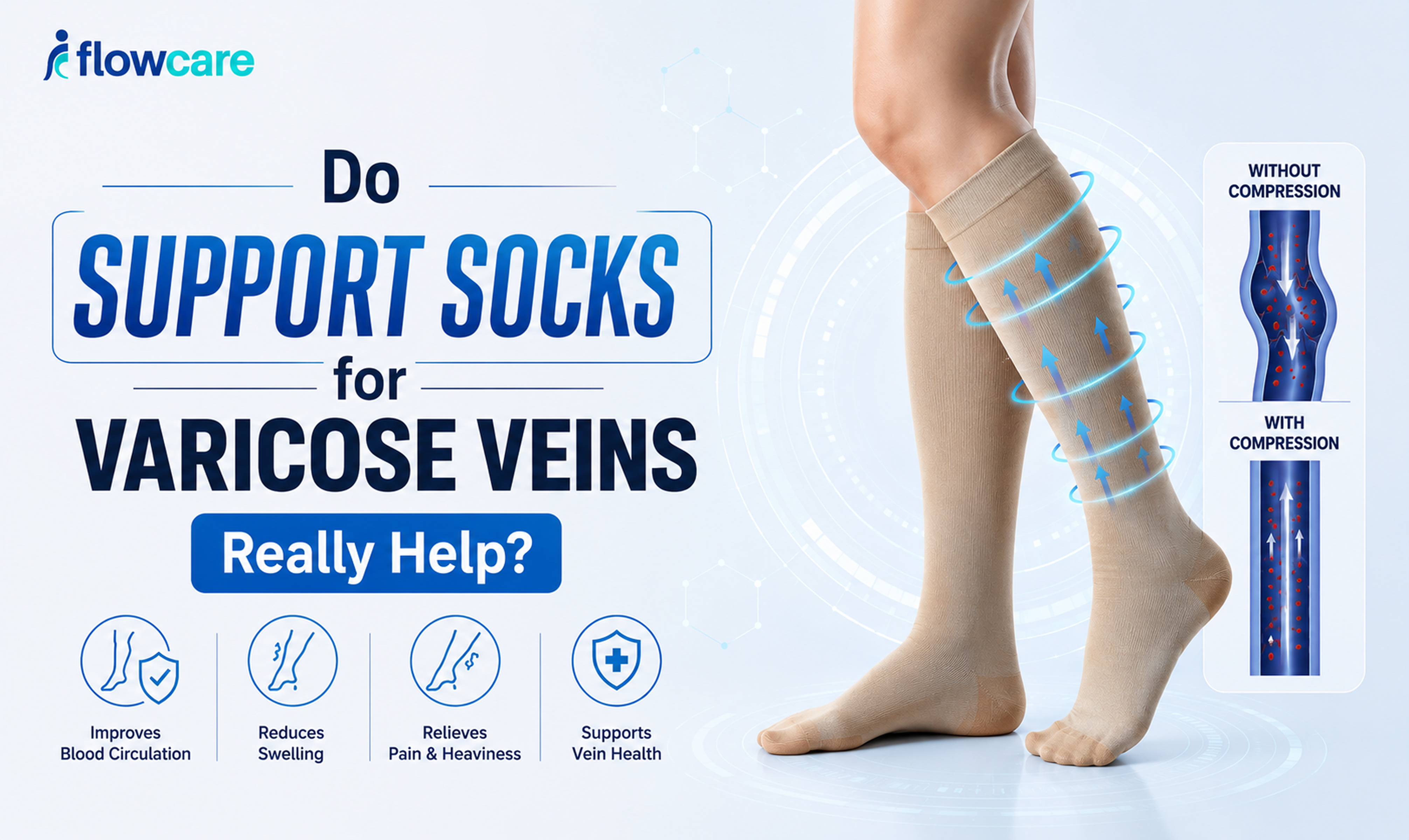
- Compression stockings: These gently support your veins and help blood flow better.
- Regular movement: Walking, swimming, or light exercise helps your leg muscles push blood upward.
- Cold compression: Applying something cold can reduce swelling and ease discomfort.
- Avoid tight clothing and high heels: These can restrict blood flow and make symptoms worse.
- Weight management: Maintaining a healthy weight reduces pressure on your veins.
- Balanced diet: Eating less salt and more fiber can help reduce swelling.
These steps can help with symptom relief, but they don’t treat the underlying vein issue.
Source: my.clevelandclinic(3)
What are Non-Surgical in Clinic Treatment Options for Painful Varicose Veins?
If lifestyle changes do not give symptomatic relief, your doctor might advise you to consider a non-surgical treatment option for long-lasting relief.
Here are effective options available:
1. Thermal Ablation (Laser & Radiofrequency)
Thermal ablation uses heat energy to close damaged veins, preventing blood from pooling in the legs and helping it to flow in the right direction.
Types of thermal ablation:
- External Laser Ablation: best for small surface veins (telangiectasias/spider veins)
- Endovenous Laser Ablation (EVLA): for larger veins like the great saphenous vein
- Radiofrequency Ablation (RFA): uses radio waves instead of a laser.
2. Endovenous Sclerotherapy for Varicose Veins
Sclerotherapy involves injecting a special solution directly into the affected vein to seal it permanently.
Best suited for:
- Recurrent varicose veins after surgery
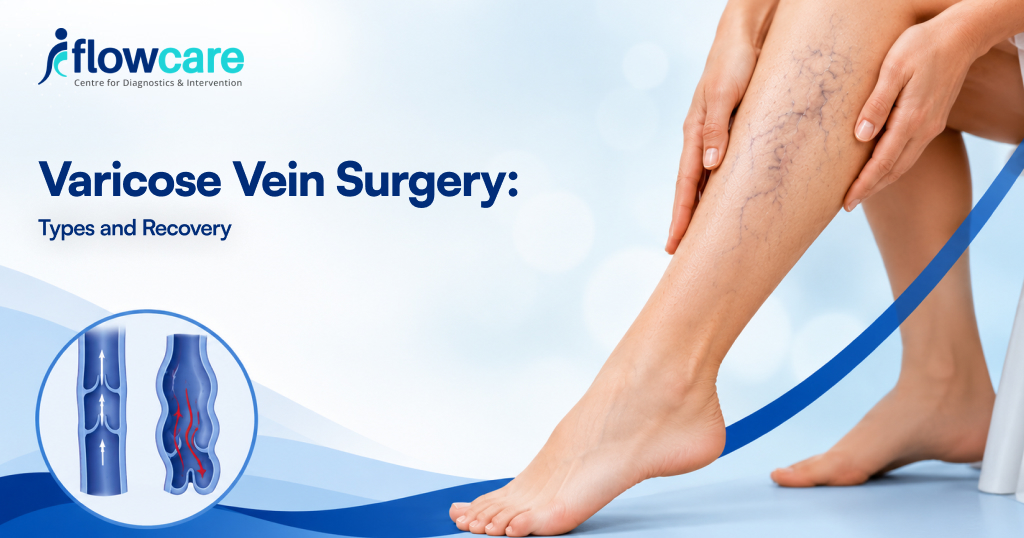
3. Surgery (Ligation & Stripping)
Surgery is considered a third-line treatment option, recommended only when other treatments have not been effective.
Source: aafp(4)
At Flowcare Clinic, our specialists assess your vein condition in detail and recommend the most suitable treatment based on your symptoms, vein size, and lifestyle.
How to Choose the Right Treatment for Your Varicose Veins?
The most effective treatment depends on several individual factors that only a professional can evaluate.
Key factors that influence your treatment plan:
- Vein size and location: Small and medium veins typically respond well to sclerotherapy, while larger veins are better treated with thermal ablation.
- Severity of symptoms: Mild discomfort may be managed with compression stockings and lifestyle changes, while chronic pain, skin changes, or ulcers require medical intervention.
- Your medical history: Conditions like pregnancy, blood clotting disorders, or previous vein treatments influence which options are safe and suitable for you.
- Lifestyle and recovery needs: Procedures like thermal ablation and sclerotherapy allow you to return to work the same day, making them ideal for people who cannot afford long recovery periods.
- Whether veins have recurred: If varicose veins have returned after a previous treatment, sclerotherapy is often the preferred approach.
Do Varicose Veins Come Back After Treatment?
Yes, varicose veins come back after treatment but not at the same spot that was treated. What can happen is that other veins in your legs start to have the same problem over time.
Especially if you have a family history of varicose veins, are overweight, or go through pregnancy.
The good news is that modern treatments like laser and radiofrequency have only a mild chance of recurrence.
Staying active, maintaining a healthy weight, and going for regular checkups can help keep new varicose veins from forming.
Conclusion
Can varicose veins be painful? Yes, because it is far more than a cosmetic concern.
If left untreated, they can progress from mild discomfort to chronic pain, skin changes, and serious complications that affect your daily life.
A lot of people ignore these signs for months or even years, thinking they are just normal tiredness or aging.
The most important thing to remember from this guide is that you don't have to live with varicose vein pain. Modern treatments are safe, don't hurt much, and work very well.
Most patients leave the hospital the same day as their procedure and go back to their normal lives right away. The sooner you get help, the easier and better your treatment will be.
At Flowcare Clinic, our vein specialists are dedicated to getting to the root cause of your pain, not just treating what is visible on the surface. We make sure that each patient gets the right care by making personalized treatment plans and using advanced ultrasound to check on them.
FAQs
Are varicose veins dangerous?
Varicose veins are not immediately life-threatening, but ignoring them can lead to serious complications over time.
Untreated varicose veins can cause skin ulcers, bleeding, painful inflammation, and in some cases deep vein thrombosis (DVT).
Not every case will lead to these complications, but if your varicose veins are causing pain, swelling, or skin changes, getting a professional assessment sooner rather than later is always the safer choice.
Can varicose veins be reversed?
No, varicose veins cannot reverse or heal on their own once they have formed. The damaged valves inside the veins do not repair themselves naturally.
However, they can be treated through minimally invasive procedures like laser ablation and sclerotherapy.
Lifestyle changes like compression stockings, leg elevation, and regular exercise can help manage symptoms and prevent new veins from developing.
But they will not make existing varicose veins disappear. To treat existing veins, one needs to undergo minimally invasive procedures like sclerotherapy and laser ablation.
When to worry about varicose veins?
You should seek medical attention if you experience persistent leg pain or swelling that does not improve; skin discoloration or hardening around the veins; slow-healing wounds or ulcers around the ankles; sudden bleeding from a varicose vein; or if the vein becomes red, warm, and tender to touch.
These are signs that the condition is progressing and needs professional evaluation.
How do you stop varicose veins from hurting?
The most effective way to stop varicose vein pain is to get them properly treated by a vein specialist.
In the meantime, you can manage the pain at home by wearing compression stockings, elevating your legs above heart level for 15–20 minutes a few times a day, staying active with light exercises like walking or swimming, avoiding prolonged sitting or standing, and applying cold compression to reduce swelling.
These measures help relieve discomfort but do not treat the underlying problem.
What do blood clots in varicose veins look like?
A blood clot in a varicose vein usually appears as a hard, painful lump beneath the skin.
The area around it typically looks red, feels warm to the touch, and may be swollen and tender.
If you notice these signs, especially alongside sudden leg swelling or pain, seek medical attention immediately, as it could indicate a more serious clotting condition.
Are Varicose Veins Dangerous?
Varicose veins are usually not dangerous and are often a mild condition. However, in some cases, they can become serious if left untreated.
You should seek medical attention if you notice ongoing pain or swelling or skin turning dark, hard, or itchy.
Wounds near the ankle that do not heal, bleeding from the veins, or redness and warmth in the area, which may suggest a blood clot.