Varicose Vein Surgery: Easy Types & Quick Recovery Guide
Varicose vein treatment doesn’t always mean hospital stays or long recovery. Most modern treatments are minimally invasive, with same-day discharge and quick recovery.
In this blog, we’ll break down what varicose vein surgery actually involves, how long recovery really takes, and what you can expect.
What Are Varicose Veins?
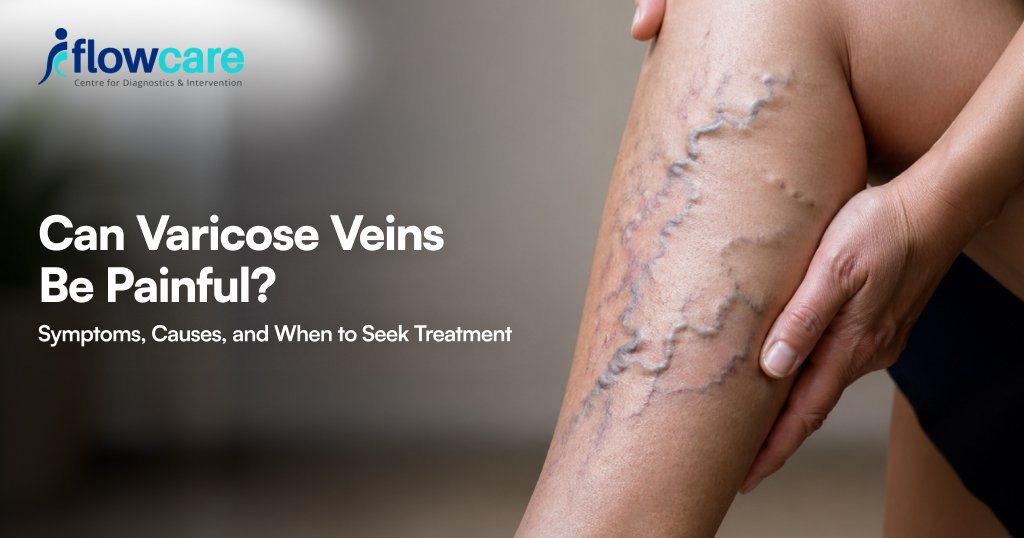
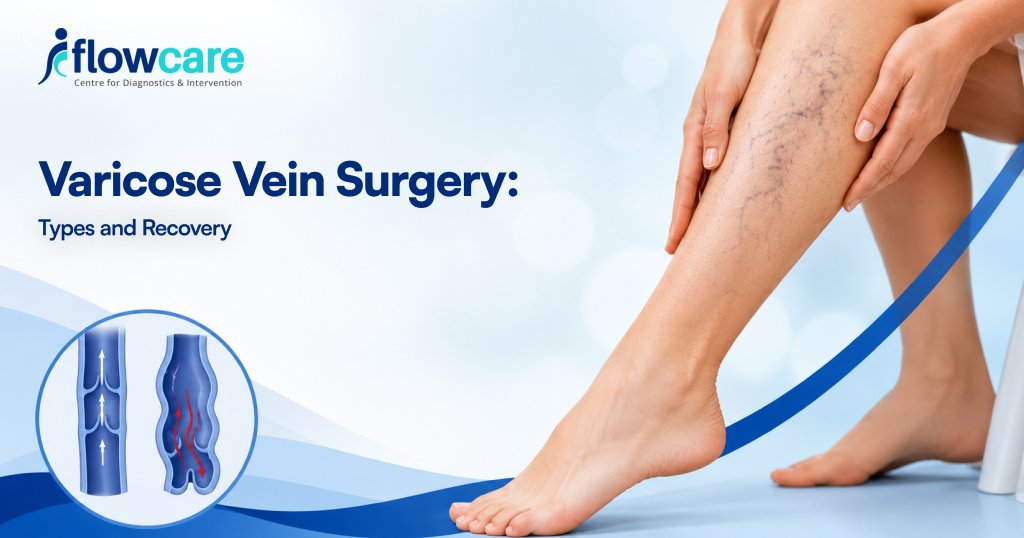
Varicose veins are swollen veins that you can see just under the skin, usually in your legs, feet, or ankles.
They happen when:
- vein walls become weak
- valves stop working properly
- blood collects in the veins
This makes the veins look blue or purple and bulging.
Treatment can help improve them, but sometimes they can come back. For most people, varicose veins are not a serious problem.
Who is at Risk for Varicose Veins?
Before we dive into surgery types, let’s see who gets hit by varicose veins and why knowing your risk can help you act early.
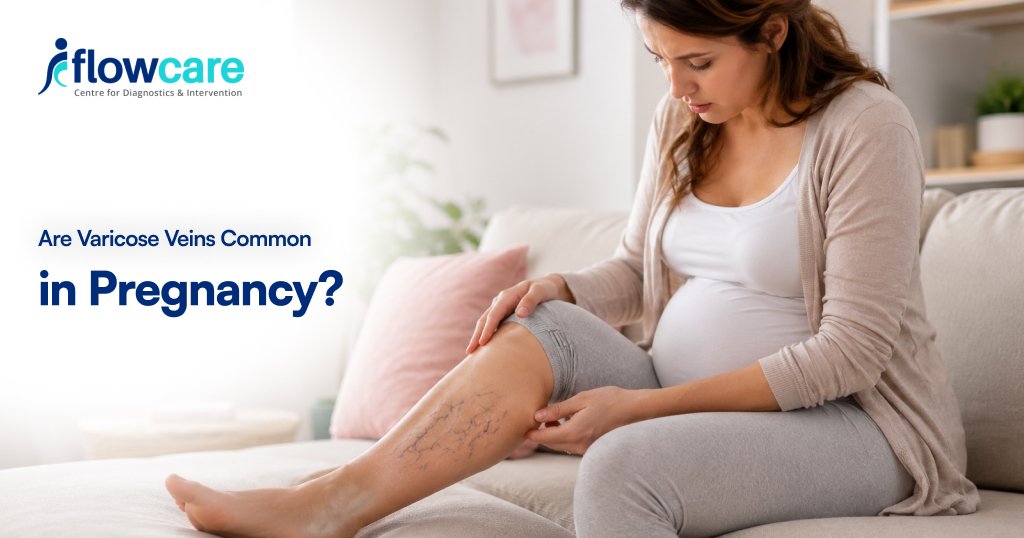
- Women: Hormones from pregnancy, birth control, or menopause weaken vein walls; pregnancy adds belly pressure on legs.
- Older adults (50+): Veins and valves naturally wear out over time, making pooling more likely.
- Overweight or obese people: Extra body weight squeezes leg veins, slowing blood flow.
- Jobs with long standing/sitting: Teachers, nurses, office workers, or drivers face constant gravity strain.
- Family history: If parents had them, your odds double due to inherited weak veins.
- Past leg issues: Blood clots, injury, or swelling damage valves.
- Lifestyle factors: Smoking, vitamin K deficiency, inactivity, or constipation raise pressure in leg veins.
Source: hopkinsmedicine(1)
What are the Symptoms of Varicose Veins?
Varicose veins can look and feel different for different people. Some common signs to watch for are:
- Bulging, twisted veins that look blue or purple
- Aching or heavy feeling in your legs
- Pain that gets worse after standing or sitting for a long time
- Swelling in your lower legs or ankles
- Itching around the veins
- Muscle cramps, especially at night
- Skin near the veins becoming dry, dark, or irritated
Some people may only notice the veins without any pain, while others may feel discomfort.
Source: pmc(2)
When Is Varicose Veins Surgery Needed?
Not every varicose vein needs surgery. Compression therapy, leg elevation, and regular exercise manage mild cases. Surgery becomes necessary when:
- Conservative or at-home treatment has failed
- Veins are causing persistent pain, heaviness, or swelling that disrupts daily life
- Skin changes appear: discoloration, eczema, or thickening near the ankle
- Venous ulcers or bleeding veins have developed
- A confirmation of impaired veins through ultrasound
If you’re experiencing any of the above, the next step is a consultation with a vascular surgeon.
The type of procedure recommended depends entirely on vein size, location, and severity confirmed by ultrasound.
At Flowcare, a detailed evaluation helps identify whether you need treatment or can manage the condition with simple measures.
What Are the Different Types of Varicose Vein Treatments?
Modern varicose veins treatments usually don’t need hospital admission and have a much quicker recovery compared to traditional surgery.
Here are the main options available:
Treatment for Varicose Veins at Home (Conservative management)
These methods don’t remove varicose veins but help control symptoms and slow things down.
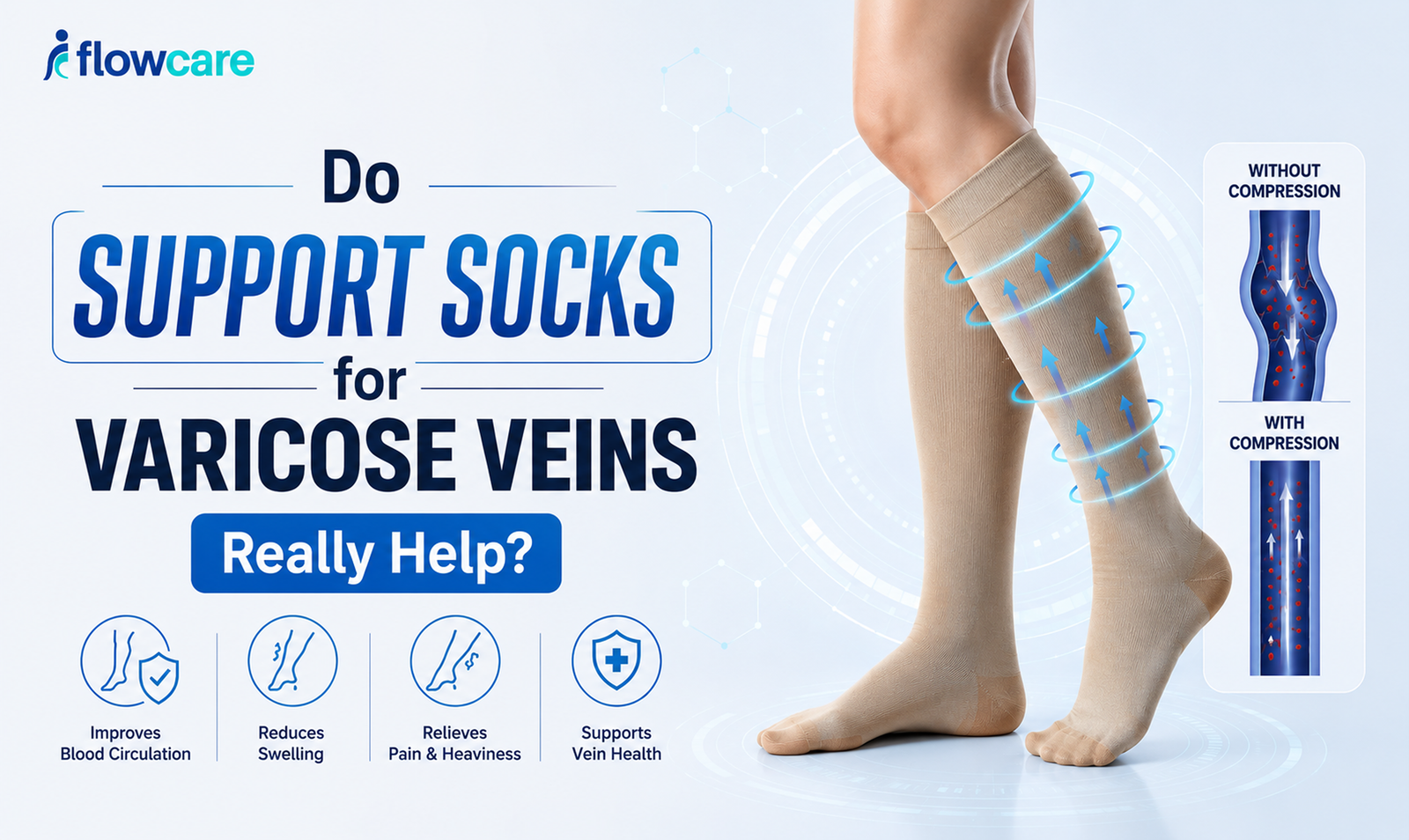
Compression Stockings
- These are tight, stretchable stockings that gently press your legs.
- This helps blood flow better, reduces swelling, and eases heaviness or pain.
- It’s important to consult a doctor before using them to get the right type and fit.
Lifestyle Changes
These won’t make the veins disappear, but they can prevent the condition from getting worse:
- Regular walking or light exercise to improve blood flow
- Avoid standing or sitting in one position for too long
- Maintain a healthy weight
- Avoid very tight clothes around your waist or groin
Leg Elevation
This is one of the simplest and most effective habits.
- Lie down and raise your legs above heart level (use pillows)
- Do this for 15–20 minutes, 2–3 times a day
- It helps blood flow back to the heart instead of pooling in the veins
- Reduces swelling, heaviness, and tiredness in the legs
Source: ncbi (3)
In-Clinic Varicose Vein Procedures
Modern varicose vein surgery is minimally invasive, usually does not need hospital admission, and has faster recovery compared to traditional surgery.
Here are all the main options, clearly broken down:
1. Thermal Ablation (Laser & Radiofrequency)
Thermal ablation is a modern treatment that uses heat to close damaged veins and improve blood flow.
There are two main types:
- Laser treatment (EVLT)
- Radiofrequency ablation (RFA)
Both the treatments are
- Minimally invasive procedure using heat to close veins
- Done under local anesthesia
- Same-day discharge
- Recovery: 1–2 days
Radiofrequency Ablation (RFA)
Radiofrequency ablation is a treatment that uses heat to close damaged veins and improve blood flow.
It works in a similar way to laser treatment but uses radio waves instead of laser energy.
Sclerotherapy (Liquid or Foam)
Sclerotherapy is a simple treatment used to close small or medium-sized varicose veins. The procedure involves the following:
- Injection used to close small veins
- No surgery or anesthesia
- Quick procedure
- May need multiple sessions
Ambulatory Phlebectomy (Microphlebectomy)
Microphlebectomy is used to remove larger veins close to the surface of the skin. It removes visible surface veins with tiny cuts; no stitches are required.
This non-surgical procedure offers quick recovery.
Source: ncbi (4)
Vein Stripping & Ligation (Traditional Surgery)
This is an older type of varicose vein surgery and is now used only in severe cases. It is a surgical procedure that requires 2-4 weeks for recovery.
Source: ncbi (5)
These procedures are widely used and considered safe when performed by experienced specialists.
How to Choose the Right Treatment?
Not everyone needs the same treatment. Your doctor will choose based on:
- Size and type of veins
- Severity of the condition
- Your symptoms
- Overall health
In many cases, a combination of treatments gives the best results. The right treatment depends on the severity of your varicose veins and symptoms.
At Flowcare, treatment is planned based on your symptoms, vein condition, and overall health to ensure the right approach for you.
How Long Does It Take to Recover from Varicose Vein Treatment?
Recovery depends on the treatment, but most people return to normal activities within a few days.
Here’s a simple timeline to help you understand what to expect:
| Time After Treatment | What to Expect |
| Same Day | Mild discomfort, slight swelling |
| 1–3 Days | Improvement in pain and mobility |
| 1 Week | Reduced swelling and bruising |
| 2–4 Weeks | Most symptoms improve significantly |
| Full Recovery | Veins fade and healing completes |
What to Do After Varicose Vein Surgery?
Here is what you can expect after varicose vein surgery
| What to Do | How It Helps | What to Remember |
| Compression Stockings | Improve blood flow and reduce swelling | Wear during the day for 1–2 weeks or as advised |
| Walking & Light Activity | Prevents blood pooling and speeds healing | Start walking the same day; avoid long sitting |
| Avoid Heavy Exercise | Prevents strain on healing veins | Avoid gym and high-impact workouts for 1–2 weeks |
| Leg Elevation | Reduces swelling and heaviness | Raise legs above heart level for 15–20 minutes |
| Healthy Diet | Supports healing and reduces swelling | Stay hydrated, eat fiber and protein, reduce salt |
What to Avoid After Surgery?
- Hot baths, saunas, or steam for a few days
- Tight clothing that restricts blood flow
- Sitting cross-legged for long periods
- Ignoring follow-up visits
What are the Complications of Varicose Vein Surgery?
Modern treatments are generally safe and effective, but like any medical procedure, they come with some risks.
Common (mild and temporary) side effects
- Bruising around the treated area
- Mild pain or tightness
- Swelling in the legs
- Skin discoloration (usually fades over time)
These are normal and usually settle within a few days to weeks.
Conclusion
Varicose vein surgery today is simple, safe, and requires minimal recovery time.
Not everyone needs surgery, but if symptoms are getting worse or affecting your daily life, early treatment can make a big difference.
Most people can return to normal activities within a few days and notice clear improvement in symptoms like pain, swelling, and heaviness.
At Flowcare, a proper evaluation can help you understand your condition and choose the right treatment.
Varicose Vein Surgery FAQs
How many days rest is required after varicose vein surgery?
Most people do not need complete bed rest after varicose vein surgery. In fact, light walking is encouraged on the same day.
For minimally invasive treatments like laser or radiofrequency, you can usually return to normal daily activities within 1–3 days.
However, it’s best to avoid heavy exercise, long periods of standing or sitting, and strenuous activity for about 1–2 weeks, depending on your doctor’s advice.
Is varicose vein surgery safe?
Varicose vein surgery is generally safe, especially with modern minimally invasive treatments like laser and radiofrequency procedures.
These are done under local anesthesia, do not require a hospital stay in most cases, and have a low risk of complications.
Mild side effects like bruising, swelling, or slight discomfort can occur but usually improve within a few days.
Serious complications are rare when the procedure is done by an experienced specialist
How can varicose veins be treated?
Varicose veins can be treated with lifestyle changes like walking and compression stockings or with procedures such as laser treatment, radiofrequency ablation, or sclerotherapy to close the veins.
How can I permanently cure varicose veins?
There is no permanent cure because the vein problem can develop again over time.
However, treatments like laser, radiofrequency, or sclerotherapy can remove the affected veins and provide long-term relief.
Maintaining a healthy lifestyle and following medical advice can help reduce the chances of new veins forming.