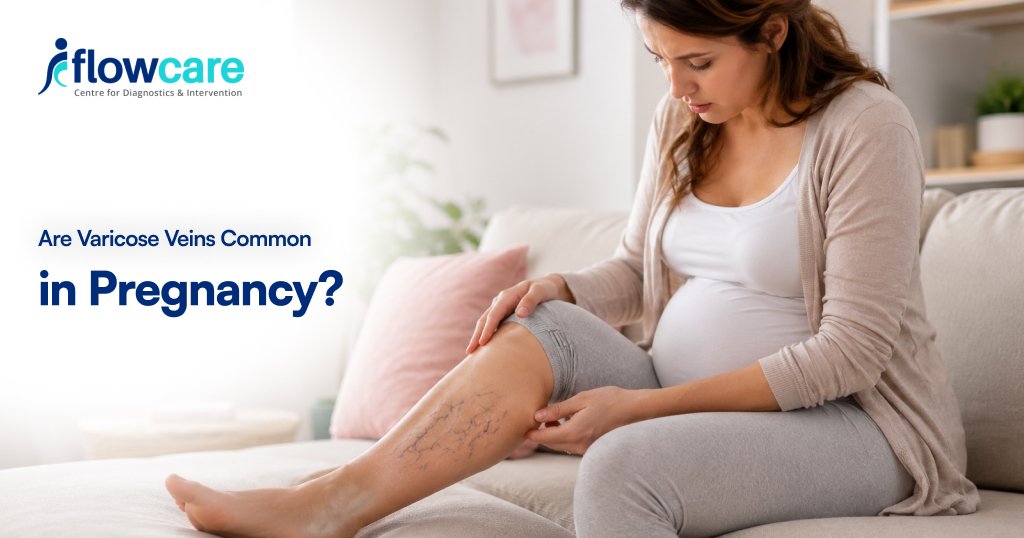
Is Varicose Veins Common in Pregnancy?
Yes, varicose veins during pregnancy are very common.
If you’re noticing blue or purple veins on your legs or around your vaginal area, along with heaviness or aching by the end of the day, these are typical signs.
They are usually not dangerous, but they can feel uncomfortable and sometimes worrying.
In this guide, you’ll learn why they happen, the different types of varicose veins in pregnancy, symptoms, prevention, and recovery after delivery.
What Are Varicose Veins During Pregnancy?
Varicose veins disease during pregnancy is swollen, enlarged veins that develop because of increased blood volume, hormonal changes, and added pressure on the veins.
They are most common in the third trimester, meaning the last few months of pregnancy.
It happens because the pressure increases on your lower body, making these veins more visible and uncomfortable.
They may look like purple or blue veins in pregnancy and can cause heaviness, aching, or swelling.
What Are the Types of Varicose Veins During Pregnancy?
Varicose veins during pregnancy can appear in the legs, vaginal area (vulvar varicosities), as spider veins on the skin, on the stomach, or as hemorrhoids.
These happen when blood flow slows down and starts collecting in the veins, making them swollen or more visible.
Common types include:
- Leg varicose veins
- Vulvar varicosities (vaginal area)
- Spider veins (small surface veins)
- Visible veins on the stomach/abdomen
- Hemorrhoids (piles)
Let’s understand these one by one below
Varicose Veins in Legs During Pregnancy
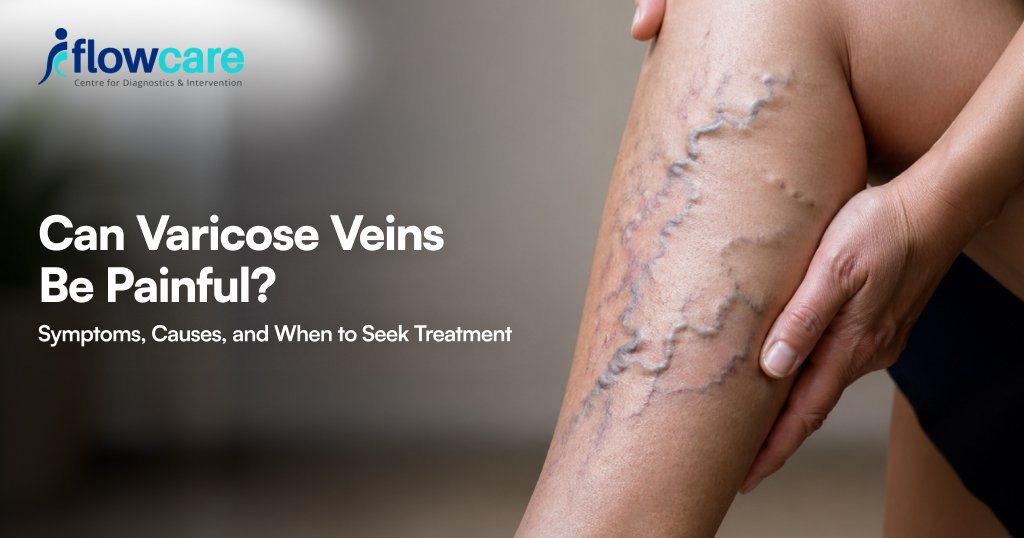
Varicose veins during pregnancy are swollen veins that appear as blue or purple veins in pregnancy, often looking bulging and rope-like under the skin.
Commonly seen in thighs, calves, ankles, or feet during pregnancy.
When Do Varicose Veins Appear in Pregnancy?
Varicose veins in pregnancy are most common in the last few months of pregnancy (third trimester), when pressure on the veins is highest.
Hormonal changes can make them show up earlier, but they usually show up or become visible on the legs and vulva later in pregnancy.
Symptoms of varicose veins you should never ignore during pregnancy
- Heaviness in legs
- Aching or throbbing pain
- Swelling in ankles or feet
- Itching around veins
- Muscle cramps (especially at night)
Why Do Varicose Veins Occur in Legs During Pregnancy?
Varicose veins occur in legs during pregnancy because:
- Blood has to travel upward from the legs
- Pressure from the uterus slows blood flow
- More blood volume increases strain on these veins
What Are Vulvar Varicosities During Pregnancy?
Vulvar varicosities during pregnancy are varicose veins around the vaginal area (labia). Around 1 in 5 pregnant women may experience this.
They appear as soft, swollen blue or purple veins around the vaginal area.
Symptoms of vulvar varicosities during pregnancy
- Feeling of pressure or fullness
- Pain or discomfort while sitting or walking
- Itching
- Discomfort during intercourse
Many women don’t talk about it openly, but it’s common and usually not dangerous and improves 30-40 days after delivery. (1)
What Causes Vulvar Varicosities During Pregnancy?
Vulvar varicosities happen when veins in the vaginal area struggle to push blood back to the heart, so blood starts to collect and the veins become swollen.
Main reasons:
- More blood flow to the pelvic area during pregnancy: more blood is sent to your pelvis. This extra blood can be too much for the veins to handle, so they swell.
- Growing uterus (baby pressure): as the baby grows, the uterus puts pressure on the veins in the pelvic area. This makes it harder for blood to flow upward.
- Hormonal changes: pregnancy hormones make vein walls more relaxed and stretchy so they can’t hold blood as tightly.
Do Vaginal Varicose Veins Affect Childbirth?
Vaginal varicose veins usually do not affect childbirth. Most women can have a normal, safe vaginal delivery.
They may cause discomfort or swelling, but they rarely burst, and if there is any bleeding, doctors can manage it. A C-section is usually not needed.
If you have pain, swelling, or are unsure about your symptoms, getting checked by a vein specialist can help you stay safe and comfortable throughout pregnancy.
At FlowCare, we help you manage symptoms safely and guide you through pregnancy with the right care and support.
Source: pmc(2)
What Are Spider Veins During Pregnancy?
Spider veins are small, thin blood vessels visible just under the skin, often looking like red, blue, or purple lines (like a spider web).
They are very common during pregnancy and usually harmless. In many cases, they fade on their own after delivery.
Some may take time or stay visible, especially if you’re prone to vein issues
Why Do Spider Veins Appear During Pregnancy?
- Hormonal changes make blood vessels more relaxed
- Increased blood flow puts extra pressure on small vessels
- Blood can start collecting in these tiny vessels, making them visible
Symptoms of spider veins during pregnancy
- Thin red, blue, or purple lines on the skin
- Usually no pain or discomfort
- Mostly a cosmetic concern
Where Do Spider Veins Appear?
- Legs (most common)
- Face
- Can also show up as spider veins on stomach during pregnancy
Source: webmd(3)
What Are Visible Veins on the Stomach During Pregnancy?
These are common, harmless spider veins on the stomach during pregnancy. They appear as thin, dark lines just under the skin and become more noticeable as blood flow increases.
These veins appear in the first trimester, increase in the third trimester, and vanish after childbirth.
Why Do Dark Veins in Pregnancy Appear on the Stomach?
- Skin stretches as the belly grows
- Blood volume increases, making veins expand and show more
It is important to note that these are not stretch marks.
Difference Between Spider Veins & Veins on the Stomach During Pregnancy
Here is a quick comparison between spider veins & veins on the stomach during pregnancy
| Feature | Spider Veins During Pregnancy | Visible Veins on Stomach During Pregnancy |
| What they are | Small, thin surface blood vessels | Normal veins that become more visible |
| Appearance | Red, blue, or purple web-like lines | Blue or purple lines under the skin |
| Size | Very small and fine | Larger and more noticeable |
| Where they appear | Legs, face, sometimes stomach | Mainly on the stomach (abdomen) |
| Why they happen | Hormones + increased blood flow weaken small vessels | Skin stretching + more blood volume make veins stand out |
| Pain or discomfort | Usually painless | Usually painless |
| Are they harmful? | No, mostly cosmetic | No, normal during pregnancy |
| Do they go away? | Often fade after pregnancy | Usually fade after delivery |
| Key difference | New small surface vessels | Existing veins becoming more visible |
What Are Hemorrhoids During Pregnancy?
Hemorrhoids are swollen veins in the rectum or around the anus. They are very common in pregnancy, especially in the last few months. They are similar to varicose veins in legs.
Why Do Hemorrhoids Happen During Pregnancy?
Hemorrhoids occur in pregnancy due to the following:
- Pressure from the growing baby: puts strain on veins in the lower body
- More blood in the body: veins have to handle extra flow
- Constipation: Straining during bowel movements increases pressure
All of this causes veins in the rectum to swell, just like varicose veins in the legs.
Common symptoms of hemorrhoids
- Pain while passing stool
- Itching around the anus
- Bright red blood on toilet paper or in stool
- A swollen lump near the anus
- Discomfort while sitting
Sometimes, you may have hemorrhoids without any symptoms at all. Hemorrhoids often improve after delivery as pressure reduces, but proper care helps faster recovery.
Who Is at Risk of Varicose Veins During Pregnancy?
- Family history / genetics
- Risk increases during second, third, or subsequent pregnancies
- Carrying twins or multiples
- Pre-existing overweight or obesity
- Prolonged standing or sedentary occupation
- Diet with high sodium, low fiber, and low water
- Older maternal age
- Vein conditions existing before pregnancy
How to Treat Varicose Veins in Pregnancy?
Treatment of varicose veins during pregnancy is mainly about relief, not removal.
Most varicose veins improve after delivery, so doctors usually avoid procedures unless really needed.
Symptom Relief Treatment for Varicose Veins
This is the main treatment during pregnancy:
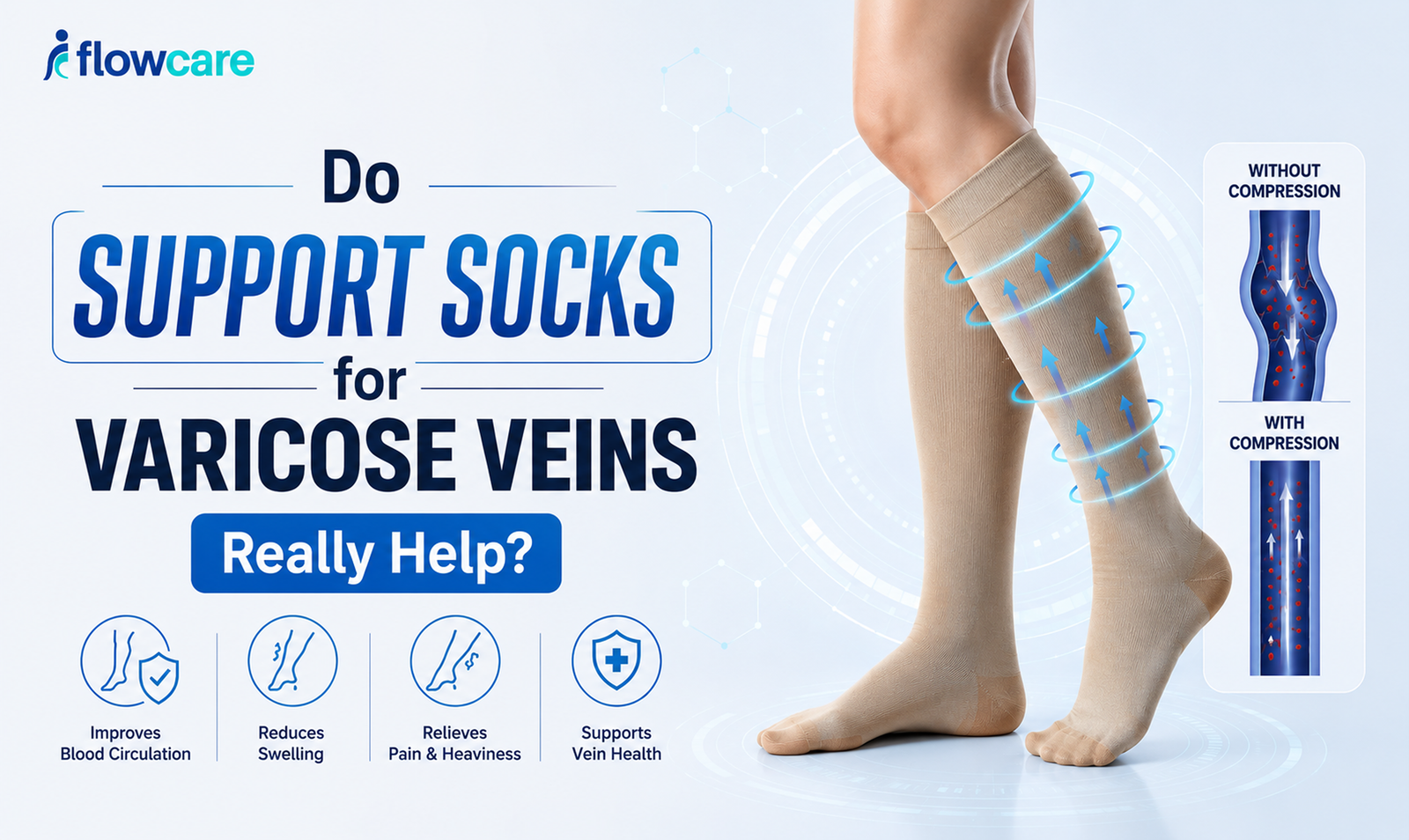
- Compression (stockings or support garments): improves blood flow
- Leg elevation or lying on left side: reduces pressure on veins
- Regular movement (walking, light exercise): keeps blood circulating
- Avoid long sitting or standing to prevents blood pooling
- Cold compress: helps reduce swelling and discomfort
- Eat fiber-rich foods to prevent constipation
- Add fruits (vitamin C) and stay hydrated
- Reduce salty and processed foods
- Avoid tight clothes around waist or thighs
These methods help manage symptoms safely during pregnancy.
Oral Medications for Varicose Veins During Pregnancy
- Some cases use venoactive drugs (medicines that improve vein function)
- These help reduce swelling and discomfort
Used only when advised by a doctor.
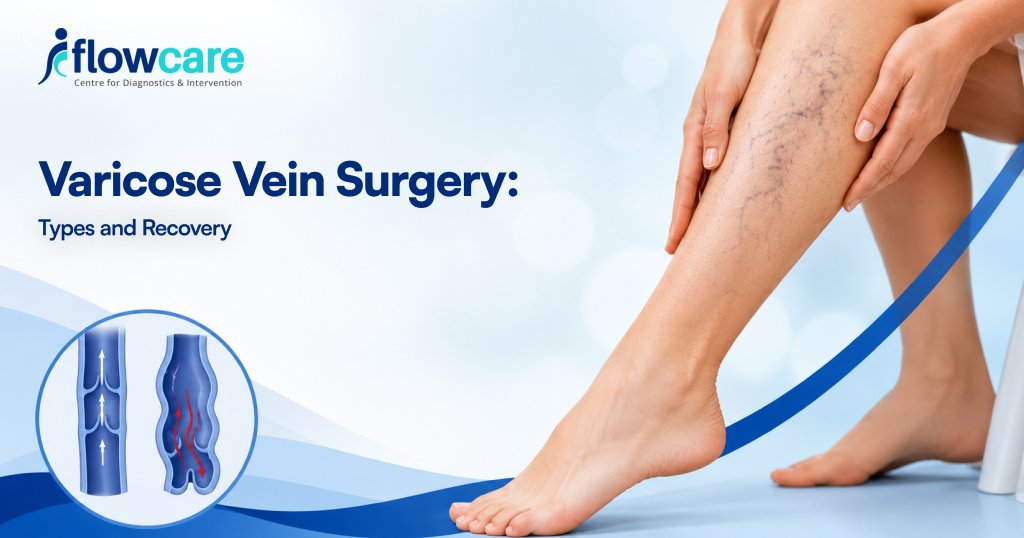
Non-invasive Treatments After Childbirth
If varicose veins persist after pregnancy, then non-invasive in-clinic procedures for varicose veins may be considered:
- Sclerotherapy: A special medicine is injected into the vein to make it close and fade over time.
- Phlebectomy: Small varicose veins are removed through tiny cuts in the skin
- Ligation or embolization: Problematic veins are sealed or blocked so blood can flow through healthier veins.
- Laser treatment for varicose veins: A thin laser is used inside the vein to heat and close it from inside.
These procedures are usually done after pregnancy.
Source: pmc(4)
How Long Do Varicose Veins Last After Pregnancy?
Varicose veins after pregnancy usually improve within 3–6 months, with most changes settling by 12 months.
If they don’t reduce after this time, they may persist and need treatment.
Source: pmc(5)
When to See a Doctor for Varicose Veins During Pregnancy?
You should consult a doctor if you experience:
- Sudden one-sided leg swelling, warmth, or redness
- Pain in calf that worsens when you extend your foot
- Chest pain or shortness of breath
- A varicose vein that bleeds or ruptures
- Severe vulvar pain that prevents walking or sitting
- No improvement in veins 3 months after childbirth
Conclusion
Varicose veins during pregnancy are common and usually not dangerous, but they can feel uncomfortable and sometimes worrying.
You may notice them in your legs, feet, stomach, vaginal area, or even as hemorrhoids; each type happens for a reason and shows up differently.
The good news is that in most cases, these veins improve after delivery as pressure on your body reduces.
Until then, simple steps like wearing compression stockings, staying active, elevating your legs, and avoiding long periods of sitting or standing can help manage symptoms.
The key is to understand what’s normal and not ignore discomfort, especially if symptoms get worse.
At FlowCare, we focus on safe, pregnancy-friendly care to help you manage varicose veins comfortably and guide you on the right treatment if needed after delivery.
FAQs
Do vulvar varicosities remedies work?
Home remedies for vulvar varicosities do help with pain and discomfort, but they usually don’t get rid of the veins or cure them.
Wearing special support clothes, putting cold compresses on the area, and changing sleep positions to keep blood from pooling are all good ways to get relief.
What do pregnancy varicose veins look like?
Pregnancy varicose veins are swollen, twisted, or bulging veins that are blue or purple in color and are most often found on the legs, thighs, or genital area.
They often feel sore, achy, itchy, or heavy, and they usually get worse or show up during the second or third trimester because of more blood flow and pressure in the pelvis.
What causes pregnancy-related varicose veins?
Pregnant women are more likely to get varicose veins because their blood volume increases, along with their hormone levels.
Apart from this, the growing uterus puts pressure on the pelvic veins.
These things make it hard for blood to flow back to the heart from the legs, which can cause swelling, itching, or pain in the legs, vulva, or rectum.
How to avoid varicose veins in pregnancy?
To avoid varicose veins during pregnancy, improve circulation by not sitting or standing for long periods of time, raising your legs often, and wearing compression stockings.
Walking and other light exercise on a regular basis, as well as sleeping on your left side, can help relieve pressure on your veins.
Do varicose veins in pregnancy go away?
Yes, varicose veins that happen during pregnancy usually get better within 3 to 12 weeks after the baby is born.
The veins often shrink and fade as hormone levels stabilize, blood volume goes down, and the pressure on the veins from the uterus is released.
But it is still advised to consult a doctor to avoid future complications.