Do Support Socks for Varicose Veins Really Help?
Struggling with heaviness, swelling, or aching in your legs by the end of the day?
If you have varicose veins, these symptoms can feel frustrating, especially when simple lifestyle changes don’t seem to be enough.
Many people turn to support socks for relief, but do they actually work?
What are Support Stockings?
Support stockings, also known as compression stockings, are specially designed elastic garments that apply gentle, graduated pressure to the legs.
They are a non-invasive, conservative treatment for varicose veins and chronic venous insufficiency, used to manage symptoms like swelling, heaviness, and discomfort without the need for surgery or procedures.
Do Support Socks Really Help Varicose Veins?
Yes, support socks for varicose veins (also called compression stockings) can help manage symptoms.
They improve blood circulation in the legs, which reduces swelling, heaviness, and discomfort.
However, it’s important to understand that compression socks for varicose veins do not cure or remove the veins; they only help control symptoms.
How Do Compression Socks for Varicose Veins Work?
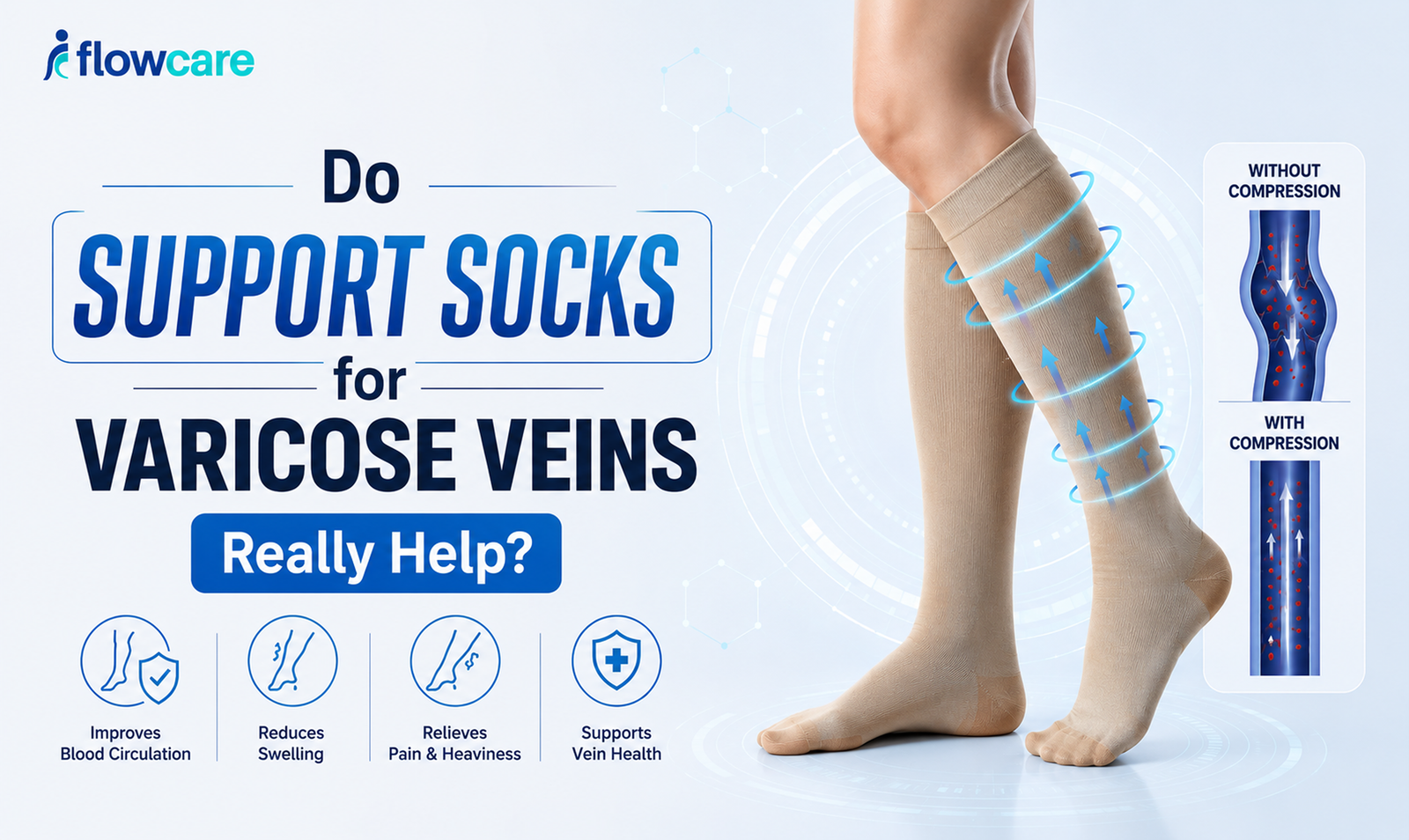
Compression socks for varicose veins apply gentle, graduated pressure to the legs. This helps blood flow upward toward the heart instead of pooling in the veins.
As a result, they:
- Reduce pressure inside the veins
- Improve circulation
- Prevent worsening of symptoms
Types of Compression Stockings
There are different types of compression stockings for varicose veins, ranging from mild support socks for daily use to medical stockings with higher compression levels.
The right type depends on your symptoms and should be chosen carefully.
For a detailed guide on compression levels, benefits, and how to choose the right option, read our complete guide on elastic stockings for varicose veins.
What Symptoms Do Elastic Stockings Improve?
Wearing support socks regularly can help reduce:
- Leg heaviness and fatigue
- Swelling in ankles and feet
- Aching or throbbing pain
- Discomfort after long periods of standing or sitting
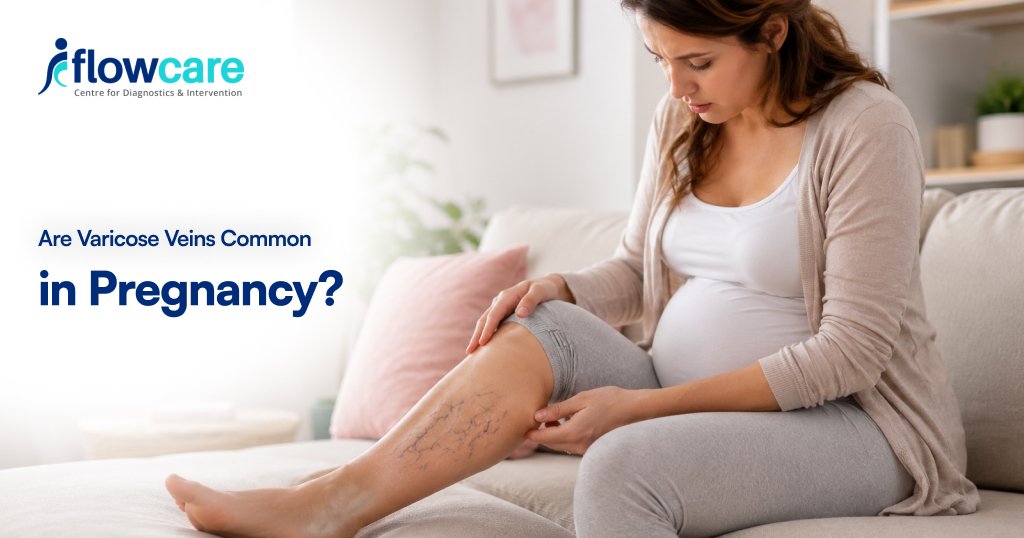
They are especially helpful for people who are pregnant, spend long hours on their feet, or have early-stage varicose veins.
What Support Socks Do Not Do?
While support socks for varicose veins are useful, it’s important to have realistic expectations:
- They do not remove visible varicose veins
- They do not cure the underlying vein problem
- They cannot stop the condition from progressing in all cases
They are best used as a symptom management tool, not a permanent solution.
Who Should Use Compression Socks for Varicose Veins?
You should use compression socks for varicose veins if you:
- People with mild to moderate varicose veins
- Pregnant women experiencing vein-related symptoms
- Individuals who stand or sit for long hours
- Those looking to prevent symptoms from worsening
What are the Side Effects of Compression Socks?
In some cases, support socks for varicose veins may not provide enough relief. You should seek medical advice if you notice:
- Severe or worsening leg pain
- Skin changes or discoloration like skin irritation, itching, or redness
- Open sores or ulcers
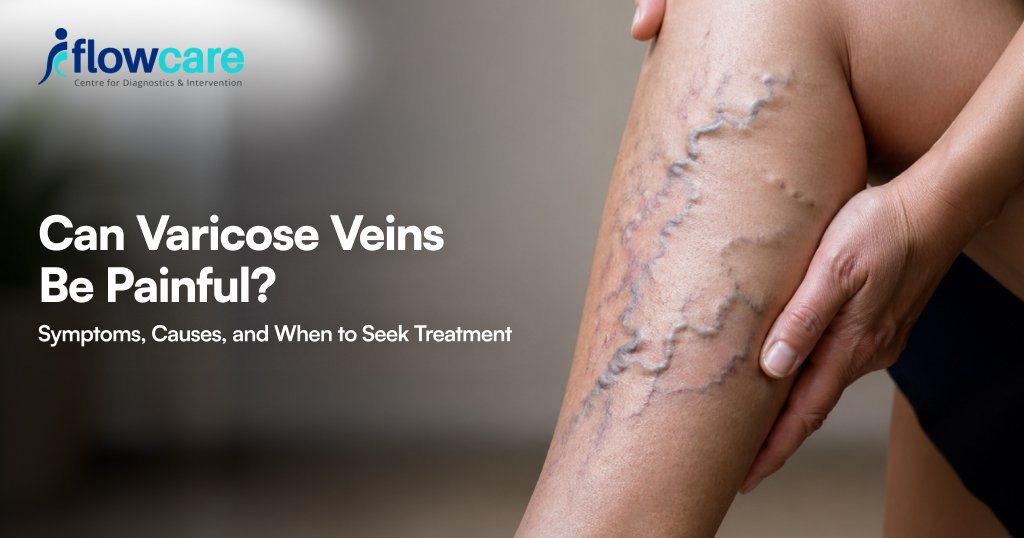
- Large, bulging veins with persistent discomfort
These conditions may indicate more advanced vein issues that require treatment.
At FlowCare, we help you understand whether compression socks are enough or if you need advanced treatment based on your condition.
How to Use Support Socks Effectively?
For best results:
- Wear them in the morning before leg swelling starts
- Use them consistently throughout the day
- Make sure they fit properly for the right level of support
To understand the different types of compression levels, benefits, side effects, and how to choose the right option, read our detailed guide on elastic stockings for varicose veins.
Book a consultation at FlowCare to get a personalized plan for managing varicose veins safely and effectively.
Conclusion
Support socks can be an effective way to manage the discomfort of varicose veins, especially in the early stages.
They help improve circulation and reduce symptoms, but they are not a cure.
If your symptoms worsen or don’t improve, it’s important to seek medical guidance to explore further treatment options.
Not sure if your symptoms are normal? Visit FlowCare to get expert advice and the right treatment guidance for your condition.
FAQs
What is the Purpose of Support Stockings?
Support stockings help improve blood flow in the legs and reduce symptoms like swelling, heaviness, and pain.
They are a non-invasive, conservative way to manage varicose veins and prevent symptoms from worsening.
How Many Hours can You Wear Support Stockings?
It depends on the type of support stockings you’re using. Most over-the-counter compression socks are safe to wear for part of the day, while medical compression stockings can often be worn throughout the day.
In some cases, they may even be worn longer if prescribed. It’s best to follow your doctor’s advice on how long you should wear them for your specific condition.
Who should Not Wear Compression Stockings?
People with severe peripheral artery disease, skin infections, open wounds, or severe leg swelling due to heart conditions should avoid using compression stockings unless advised by a doctor.
Ill-fitting stockings can also cause discomfort or worsen circulation.
It is always recommended to consult a healthcare professional before using compression stockings for varicose veins, especially if you have existing medical conditions.
What are the Side Effects of Wearing Compression Stockings?
Compression stockings are generally safe, but some people may experience mild side effects, especially if they are not fitted properly.
These can include skin irritation, itching, redness, or dryness. Tight or incorrect use may also cause discomfort, numbness, or a feeling of tightness in the legs. In rare cases, poorly fitted stockings can affect circulation or worsen skin issues.
To avoid side effects, it’s important to choose the right size and use compression stockings for varicose veins as advised by a healthcare professional.