Prevent Varicocele: Lifestyle Changes & Early Treatment Tips
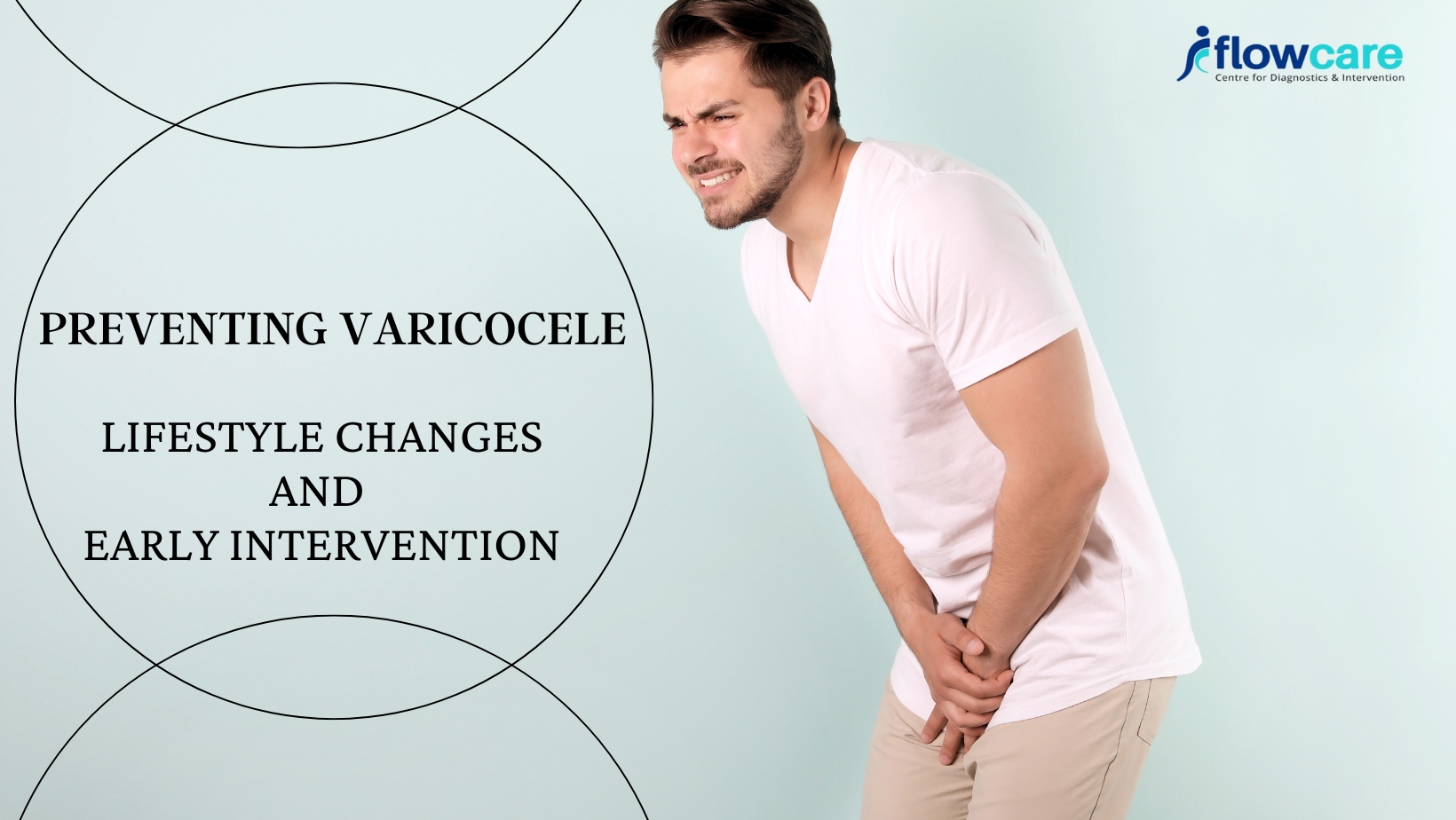
Varicocele is a common medical condition in which the veins inside the scrotum become enlarged, similar to varicose veins in the legs. This enlargement can disrupt normal blood flow, leading to symptoms such as discomfort, swelling, and in some cases, male infertility. Because of its potential impact on reproductive health, understanding varicocele and how to manage it is essential.
But the important question many men ask is: Can varicocele be treated or prevented? The good news is that with the right approach, varicocele can be effectively managed and its risks can be reduced. Early diagnosis, healthy lifestyle choices, and timely medical care play a crucial role in preventing complications.
In this article, we will explore what varicocele is, its causes, and the most effective lifestyle changes that may help prevent it. We will also discuss how early intervention can protect male reproductive health and reduce the chances of long-term issues. Understanding these preventive steps can help you take better control of your health and avoid complications associated with varicocele.
What Is Varicocele?
In order to treat Varicocele, we should understand the factors that contribute to its growth and what causes it. This condition appears when the veins that drain the testicles become swollen or enlarged. Due to this swelling, blood starts to pool up in the scrotum and put pressure on it. This condition is most commonly found in adolescents and young adults. There are various factors that cause this condition to happen including genetics, hormonal imbalances, or anatomical factors.
Lifestyle Changes to Help Prevent Varicocele
To protect yourself from this condition, prevention is quite essential. To prevent this condition, you can follow these major guidelines. By following a healthy lifestyle, you can avert Varicocele.
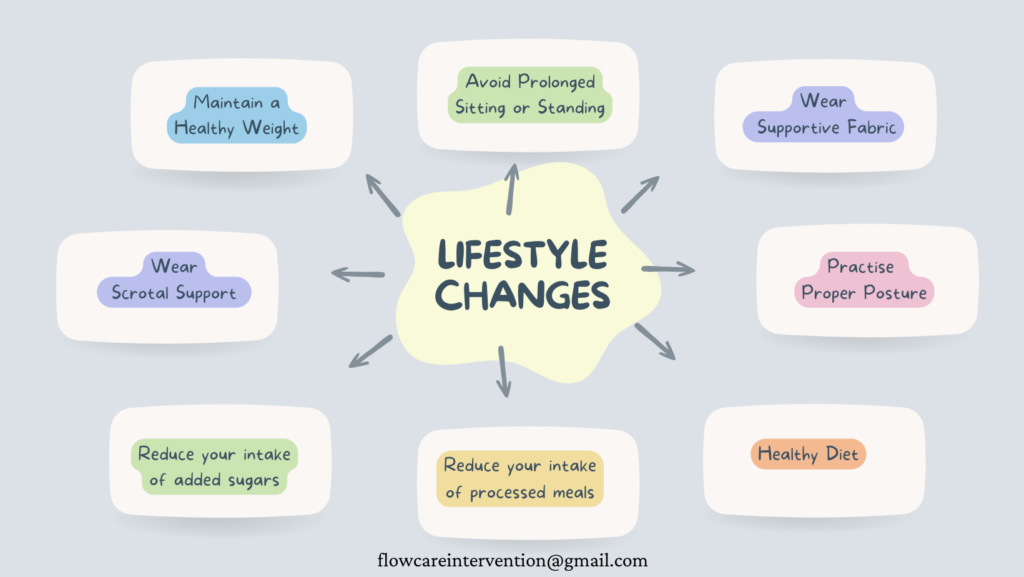
Maintain a Healthy Weight to Reduce Varicocele Risk
Being overweight could lead to various issues including varicocele. Obesity and excess body fat can contribute to varicocele development. By maintaining a healthy weight through regular exercise and a balanced diet, individuals can reduce their risk of developing this condition. For this, routine body movements and exercise are essential.
Avoid Prolonged Sitting or Standing to Reduce Varicocele Risk
Prolonged sitting or standing becomes a part of our lifestyle but jobs or activities that require long periods of sitting or standing can increase pressure on the veins in the scrotum, leading to varicocele. To avoid this condition, frequent and regular breaks should be part of your job. Trying to incorporate movement into daily routines can help alleviate pressure and improve blood flow.
Wear Supportive Underwear to Help Prevent Varicocele
Excessive constriction in undergarments might worsen symptoms of varicocele by obstructing blood flow to the scrotum. Choosing supportive undergarments that offer sufficient ventilation and support will help reduce pain and stop veins from getting bigger.
Practice Proper Posture to Reduce Varicocele Risk
Along with exercising and regular movements, posture also helps in ensuring good health. Poor posture can contribute to increased pressure on the veins in the pelvic area, potentially worsening varicocele symptoms. Maintaining good posture while sitting, standing, or exercising can help reduce strain on the veins and promote healthy blood flow. You can also add some specific poses to your exercise routine to fix your posture.
Follow a Healthy Diet to Help Prevent Varicocele
A healthy diet plays a major role in ensuring a healthy weight as well as providing all the nutrition that the body requires for smooth functioning.
Fruits and vegetables: Eat more fruits and vegetables since they include a wealth of minerals, vitamins, and antioxidants that promote vascular health and lower inflammation.
Select whole grains: Because they are high in fibre and can help regulate bowel motions, whole grains including brown rice, quinoa, and oats can help lower blood pressure in the veins.
Include lean protein sources: Fish, chicken, tofu, and lentils are examples of lean protein sources that are high in important nutrients yet low in saturated fat.
Reduce your intake of processed meals and added sugars. These items might aggravate varicocele symptoms by causing inflammation.
Early Detection and Early Intervention for Varicocele
Besides a healthy lifestyle, early intervention can help you successfully manage and treat the condition. This protects the individual from infertility and also treats the condition at an early stage. Individuals experiencing symptoms such as testicular pain, swelling, or infertility should seek medical evaluation promptly.
Common Treatment Options for Varicocele:
Varicocelectomy: A Surgical Treatment for Varicocele
A surgical treatment to relieve symptoms and restore normal blood flow by excising or ligating swollen veins in the scrotum.
Varicocele Embolization: A Minimally Invasive Treatment
A minimally invasive technique that involves inserting a catheter into the afflicted vein to stop blood flow and lessen pain and oedema.
Medications for Managing Varicocele Symptoms
Medication may occasionally be recommended to treat varicocele-related discomfort or inflammation.
Conclusion
Preventing varicocele often begins with adopting a healthy lifestyle and seeking medical advice as soon as symptoms appear. Simple habits such as maintaining a healthy body weight, avoiding prolonged sitting or standing, wearing supportive underwear, and practicing proper posture can help improve blood circulation and reduce pressure on the veins in the scrotum. These small but effective lifestyle changes may lower the risk of developing varicocele and support overall male reproductive health.
Early diagnosis and timely treatment also play a crucial role in preventing complications associated with varicocele, including infertility and chronic discomfort. Identifying the condition at an early stage allows doctors to recommend the most suitable treatment options and lifestyle adjustments to manage the problem effectively.
If you are experiencing symptoms or want expert guidance, consulting a specialist is important. At Flowcare, patients receive advanced treatment along with personalized consultation from Dr. Rajendra Bansal, an experienced Interventional Radiologist with over 11 years of expertise. With the right medical support and preventive care, it is possible to manage varicocele effectively and maintain a healthy, comfortable life.